Warning! Web API Url is not set for the Speaker Bios.
 Mauro Acchione, PhD, Director, R&D, Bioprocess Engineering, National Research Council Canada
Director R&D, Bioprocess Engineering
National Research Council CanadaDr. Mauro Acchione is Acting Director, R&D – Bioprocess Engineering at the National Research Council of Canada's Human Health Therapeutics Research Centre, with over 20 years experience as a senior scientist and people leader supporting discovery and pre-clinical development of complex biotherapeutics. He leads a department of multidisciplinary teams spanning Upstream and Downstream bioprocess development, analytical characterization, cell-line and vector engineering, and process analytical technologies (PAT), advancing biologics and emerging modalities including antibodies, ADCs, viral vectors, cell therapies, and vaccines. He is passionate about advancing PAT and data-driven strategies that build process understanding early rather than retrofitting control later, and he is deeply committed to developing people and fostering collaborative, multidisciplinary teams
 Paul Agianian, PhD, Principal Scientist, Medicine Design, Pfizer Inc.
Principal Scientist
Pfizer IncPaul Agianian is a Principal Scientist in Protein Sciences at Pfizer, where he develops recombinant protein reagents and enabling technologies for hit discovery against challenging therapeutic targets. His current work focuses on enabling DNA-encoded library (DEL) screening of membrane proteins through modular workflows for construct design, expression, purification, stabilization, and validation. Paul’s broader expertise spans structural biology, molecular biophysics, protein engineering, and small-molecule drug discovery. Before joining Pfizer, he held academic positions at Albert Einstein College of Medicine in New York and at institutions across Europe.
 Jane V. Aldrich, PhD, Professor, Medicinal Chemistry, University of Florida
Prof
University of FloridaJane Aldrich, PhD, Professor of Medicinal Chemistry at the University of Florida, is a peptide medicinal chemist with extensive experience in the design, synthesis and evaluation of peptides that are active in the CNS. Her research focuses on peptide and peptidomimetic analogs as potential treatments for substance abuse, pain, cancer and neurodegeneration and the development of synthetic methods to prepare these analogs. She has served the research community as President of the American Peptide Society, Co-chair of the Gordon Research Conference on the Chemistry and Biology of Peptides, Chair and Councilor of the Medicinal Chemistry Division of the America Chemical Society, chair of the NIH study section on Drug Discovery for the Nervous System, and is a member of the Entrepreneurial Advisory Board of the Peptide Drug Hunting Consortium. She is also an American Chemical Society Fellow.
 Richard Altman, MS, Field Application Scientist, Thomson Instrument Company
Field Application Scientist
Thomson Instrument CompanyRich Altman has 38 years of experience in protein expression and production. In 2025, he joined Thomson Instrument Company as a Field Application Scientist supporting protein production workflows. Before joining Thomson, Rich served in a similar role at Thermo Fisher Scientific supporting protein expression scientists. Before his Field Application Scientist roles, he worked at several pharmaceutical companies, including Amgen, Alexion, Bayer, and Upjohn, on the cloning, expression, purification, and characterization of recombinant proteins. This work supported both small-molecule high-throughput screening and protein therapeutic efforts. He received his MS degree from the University of Pittsburgh School of Medicine in the Department of Molecular Biology and Biochemistry.
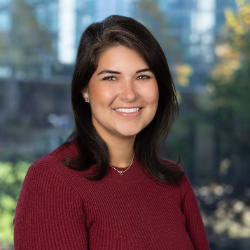 Francesca Anson, PhD, Scientist III, Early Discovery Biochemistry, Genentech Inc.
Scientist III
Genentech IncFrancesca Anson
BA Chemistry, UC Riverside
PhD Chemistry, UMASS Amherst
Postdoctoral Scholar, Rockefeller University
Scientist, Genentech
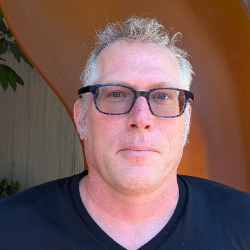 Mark A. Arbing, PhD, Director, Protein Expression Technology Center, University of California Los Angeles
Director
University of California Los AngelesMark Arbing earned his Ph.D. from the Department of Microbiology & Immunology at McGill University and was a postdoctoral fellow at Columbia University. His postdoctoral work focused on biophysical studies of membrane proteins and X-ray crystallography of protein complexes as part of the Northeast Structural Genomics Consortium. He is currently the Director of the Protein Expression Technology Center at the UCLA-DOE Institute where he modernized cloning and protein expression screening methods. His group at UCLA supported two structural genomics consortia, the Tuberculosis Structural Genomics Consortium (TBSGC) and the Integrated Center for Structure Function Innovation (ISFI), with a focus on determining structures of protein complexes. Recent work involves developing display systems to identify protein binders and using library-on-library yeast display to elucidate protein-protein interactions within the bacterial cellulosome, a large extracellular multi-enzyme complex involved in the degradation of lignocellulosic biomass.
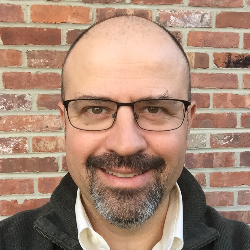 Jose L. Avalos, PhD, Associate Professor, Chemical & Biological Engineering, Princeton University
Associate Professor
Princeton UnivJose Avalos is an Associate Professor of Chemical and Biological Engineering, The Omenn-Darling Bioengineering Institute, and The Andlinger Center for Energy and the Environment at Princeton University. He earned a B.E. in chemical engineering from Universidad Iberoamericana in Mexico City and an MSc in biochemical research from Imperial College in London. He then received a Ph.D. in biochemistry and biophysics from Johns Hopkins University. He conducted postdoctoral research at The Rockefeller University on molecular neuroscience, and then at MIT/Whitehead Institute, in the Department of Chemical Engineering on metabolic engineering and synthetic biology. He has been a faculty member at Princeton University since 2015, where he leads a research group focused on the use of biotechnology to address challenges in renewable energy, sustainable manufacturing, the environment, and human health. He has received several awards, including the Damon Runyon Cancer Research Fellowship, the NIH Ruth L. Kirschstein National Research Service Award, the Alfred P. Sloan Foundation Research Fellowship Award, the Pew scholarship, the NSF CAREER Award, the Camille Dreyfus Teacher-Scholar Award, the HHMI Gilliam award, and the ACS BIOT Young Investigator Award.
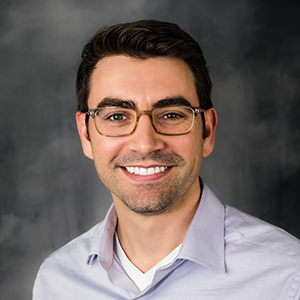 John D. Bagert, PhD, Director, Biologics Engineering, AstraZeneca
Director
AstraZenecaI’m an Associate Director in the Biologics Engineering department at AstraZeneca, where I work on innovative protein engineering solutions for the development of bispecific and multispecific antibodies for therapeutic applications in oncology. My research seeks to fully realize the potential of these transformative molecules by (1) enhancing AZ’s DuetMab platform for the reliable production of multispecific antibodies, (2) developing robust high-throughput production and screening methods for these complex modalities, and (3) deepening our understanding of how engineering elements can deliver multispecific antibodies with functions custom-designed for their biologic application. I’ve served as the engineering lead on several large molecule pipeline programs, managing milestone transitions from early feasibility through asset generation and lead selection. I have >15 years of experience in protein engineering, protein chemistry, and methods development and hold a doctorate in bioengineering from the California Institute of Technology.
 Simon Bailey, PhD, MBA, COO and President, R&D, Unnatural Products, Inc.
COO and President
Unnatural Products, Inc.Simon is Chief Operating Officer and President of R&D at Unnatural Products (UNP), a macrocyclic peptide drug discovery company. Simon joined UNP in 2024, bringing over 25 years’ experience of drug discovery and early development experience in oncology and metabolic disease in big pharma, and public and private biotech companies.
Simon joined UNP from Plexium where he was EVP Drug Discovery and led the company’s science and technology groups to identify novel molecular glue protein degrader drugs. Prior positions included SVP, Head of Research for Intercept Pharmaceuticals, leading the company’s programs in NASH/MASH from inception through Phase 1. Earlier in his career, Simon was a medicinal chemist at Pfizer, where he led the Diabetes and Oncology Medicinal Chemistry Departments. Simon holds a PhD in synthetic organic chemistry from the University of Manchester and an MBA from UC San Diego’s Rady School of Management. He is a 2021 recipient of the American Chemical Society’s Hero of Chemistry award for his leadership role in the discovery of Lorbrena™ a macrocyclic inhibitor of mutant ALK kinase for the treatment of NSCLC.
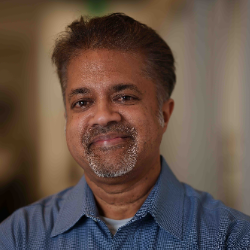 Ramesh Baliga, PhD, CSO, Synthetic Design Lab
CSO
Synthetic Design LabDr. Baliga is co-founder and CSO at Synthetic Design Lab. He has over 25 years of experience in the biotechnology industry leading the development of novel engineered therapeutic platforms, AI-driven antibody design, and ADC technologies. Before co-founding Synthetic Design Lab, Dr. Baliga served as Vice President of Biotherapeutics at Exelixis, where he built a team to discover mAbs, bispecifics, and ADCs, including XB064, XB628, XB033 currently in the development pipeline. Prior to Exelixis, Dr. Baliga was Chief Scientific Officer at RubrYc Therapeutics, where he developed a novel platform for mammalian display-based discovery of epitope-steered antibodies targeted to AI-generated epitope mimetics. Before RubrYc, Dr. Baliga was Vice President of Discovery Biology at IGM Biosciences, where he developed the platform technology for making novel glyco-engineered mono- and multispecific IgM antibodies and led the first bispecific IgM program IGM-2323 (Imvotamab) from discovery through preclinical work into Phase I studies. Prior to IGM, Dr. Baliga built a platform for site-specific conjugation of ADCs with single or multiple warheads at Sutro Biopharma. Dr. Baliga holds more than 30 patents, encompassing platform technologies, monoclonal antibodies, bispecifics and antibody drug conjugates. Dr. Baliga received his M.Sc. in Chemistry from the Indian Institute of Technology, his Ph.D. in Bioorganic Chemistry from Caltech, and conducted his postdoctoral work at Yale University.
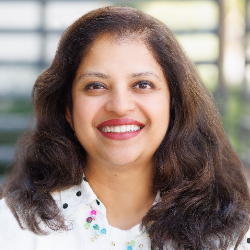 Antara Banerjee, PhD, Vice President, Discovery Biology, 92Bio
VP
92Bio,IncAntara Banerjee, PhD, is Vice President of Biology and Discovery at 92Bio, Inc., where she leads discovery and development of next-generation immune cell engagers spanning innate and adaptive immunity. With over two decades in biologics discovery and development, Antara has built a track record of translating scientific insight into clinical programs across oncology, immunology, and hematology. She holds a PhD in Pharmaceutical Sciences and completed postdoctoral training in Immunology at the DNAX Research Institute/Merck, studying the roles of Th17 and myeloid cells in infectious and autoimmune disease.
Before 92Bio, Antara held senior leadership roles at Takeda, most recently as Head of Cell Engagers within the Oncology Drug Discovery Unit. She drove two strategic acquisitions—Maverick Therapeutics and Gamma Delta Therapeutics, advancing conditional T cell engager and gamma delta engager programs into Phase 1 trials. She also led the in-licensing of Elritercept from Keros Therapeutics, a late-stage activin inhibitor targeting anemia in MDS and myelofibrosis. Earlier at Takeda, she built and scaled the company's global Immunobiologics function across GI Inflammation and Oncology from the ground up.
Antara is a named inventor on multiple patents and has authored numerous peer-reviewed publications in biologics and immune cell engager biology.
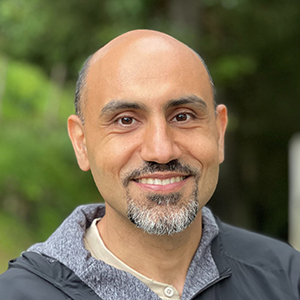 Reza Behrouzi, PhD, Senior Scientist II, Protein Analytics and Biophysics, Generate Biomedicines
Senior Scientist
Generate BiomedicinesReza Behrouzi is a multidisciplinary scientist working at the intersection of quantitative biophysics, structural biology, and ML-driven therapeutic discovery and development at Generate:Biomedicines. He specializes in uncovering biological insights through rigorous biophysical and biochemical assay development and turning complex datasets into actionable insights. Before joining Generate, his work spanned epigenetics and chromatin biology, RNA biophysics, cryo EM, and quantitative analysis of biomolecular interactions at Harvard Medical School and Johns Hopkins University. Across academia and industry, he has built a reputation for combining experimental depth, analytical rigor, and cross-functional collaboration to tackle challenging problems in biology and biotechnology.
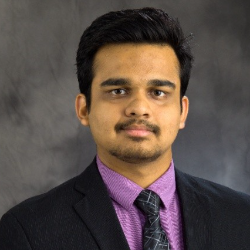 Krishna D. Bharadwaj Anapindi, PhD, Senior Scientist, Biology, Gilead Sciences Inc.
Senior Scientist
Gilead Sciences IncKrishna D. B. Anapindi is a highly skilled bioanalytical mass spectrometrist with over eight years of experience in peptide and protein characterization. He is currently a Senior Scientist at Gilead Sciences, where he is part of the Molecular Assessment (MA) team. His work focuses on evaluating the developability of protein therapeutics, developing innovative LC-MS workflows to streamline and improve the efficiency of both protein and small molecule analysis. At Gilead, Krishna also contributes to cutting-edge research by integrating machine learning models to predict key developability properties of therapeutic protein candidates. This involves designing and implementing workflows that enhance the characterization process, contributing to the optimization of therapeutic proteins. Krishna holds a PhD in Chemistry and a Master’s in Applied Statistics from the University of Illinois at Urbana-Champaign. His career demonstrates a strong blend of technical expertise, innovative thinking, and interdisciplinary research in the biopharmaceutical field.
 Surge Biswas, PhD, Founder & CEO, Nabla Bio, Inc.
Founder & CEO
Nabla Bio IncSurge is a co-founder and the CEO at Nabla Bio, an antibody design company. Surge received his PhD from George Church’s lab. There, he and his colleagues pioneered the development of protein language modeling, a technology that has been central to state-of-the-art protein structure prediction and machine learning-guided protein design. Outside of Nabla, Surge enjoys hanging out with his wife and Nabla co-founder, Frances, and their two dogs, Archie and Riley.
 Gabrielle Bitzas, Senior Scientist, BioMedicine Design, Pfizer, Inc.
Senior Scientist
Pfizer Inc.Gabrielle Bitzas is a Senior Scientist at Pfizer with over 11 years of experience advancing technologies for biologics discovery. She specializes in CHO cell line engineering and early-stage developability assessment, integrating automation to bridge discovery and development. Gabrielle holds a master’s degree in biotechnology from Worcester Polytechnic Institute and is passionate about building scalable, future-ready systems that accelerate decision-making and translational success.
 Bartek Blus, PhD, Associate Director, Gene Therapy Research, BioMarin Pharmaceutical
Associate Director
BioMarin Pharmaceutical IncBartlomiej J. Blus is an Associate Director at BioMarin Pharmaceuticals, where he develops gene therapy and protein therapeutics. Working at the interface of drug discovery and process development, he has led multiple efforts to elucidate the mechanism-of-action and quality attributes of drug molecules. Prior to joining BioMarin, Bartlomiej worked as a project leader under Günter Blobel—the 1999 Nobel Prize Laureate in Physiology and Medicine—at the Rockefeller University, where he co-discovered an allosteric mechanism regulating a core structure of the nuclear pore complex. Bartlomiej holds a PhD degree in Biophysics from the University of Virginia and a MS degree in Biotechnology from the Lodz University of Technology. Biophysicist, structural biologist, and bioengineer by training, Bartlomiej has nearly two decades of experience in unraveling structure-function relationship of biomolecules and implementing innovative technologies to streamline biomedical research in academia and industry.
 Richard A. Bonneau, PhD, Vice President, Drug Discovery, Prescient Design, a Genentech Co.
VP
Prescient Design a Genentech CoRichard Bonneau is a computational biologist and data scientist who now leads Computational Drug Discovery in the Computational Sciences division at Genentech. This effort centers on pioneering new methods for combining machine learning and molecular modeling to power drug discovery. His past research spans multiple levels of biological structure and includes: learning biological networks, designing protein, biomimetic chemical biology and exploring social networks. He received his PhD at the University of Washington, Seattle, studying under Dr. David Baker, where he pioneered new methods to predict biomolecular structures. His postdoctoral training was completed at the Institute for Systems Biology, working with Leroy Hood. Dr. Bonneau has been a professor at NYU jointly appointed in the Computer Science and Biology departments. He was a founding member or co-founder of the RosettaCommons, The Center for Data Science at NYU, the Simons Center for Data Analysis (which evolved into the Flatiron institute) and recently co-founded Prescient Design (acquired by Genentech). Dr. Bonneau is excited to be part of Genentech’s effort to revolutionize molecular design and drug discovery with computational advances.
 Andrew R.M. Bradbury, MD, PhD, CSO, Specifica, an IQVIA business
CSO
Specifica, Inc.Andrew Bradbury is Chief Scientific Officer of Specifica. He trained in medicine at the universities of Oxford and London and received his PhD from the university of Cambridge at the MRC Laboratory of Molecular Biology under the guidance of Nobel Laureate, Cesar Milstein. He has worked in the fields of phage and yeast display, library generation, antibody engineering and Next Generation Sequencing for over thirty years. He was a Group Leader at Los Alamos National Laboratory before founding Specifica. Specifica's mission is to enable companies developing therapeutic antibodies with the world’s best antibody discovery platform.
 Lynn Brainard, Conference Producer, Cambridge Healthtech Institute
Conference Producer
Cambridge Healthtech Institute
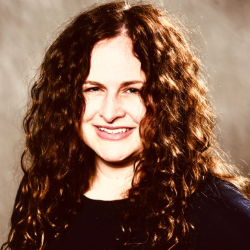 Vanessa Braunstein, Senior Director, TuneLab AI Drug Discovery Platform, Eli Lilly and Company
Senior Director
Eli Lilly & CoVanessa has spent her academic and business career exclusively in life sciences & healthcare. She has worked at large pharma/biotech/tech companies such as Sanofi, Abbott, and NVIDIA and start-ups such as Ingenuity Systems (acquired by Qiagen) and Fabric Genomics (acquired by GeneDx). Vanessa is currently Senior Director at Eli Lilly focused on the Lilly TuneLab AI/ML Platform for accelerating drug discovery. Vanessa began her career in academics and clinical research in molecular and cell biology and public health at UC Berkeley and UCSF and then transitioned to roles building new products, strategic alliances, commercial ecosystem growth in AI and life sciences.
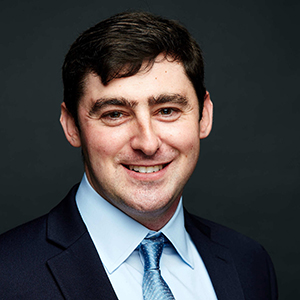 Kevin Brawley, Project Manager, Production Operations & Communications, Cambridge Innovation Institute
Project Mgr
Cambridge Innovation Institutetest bio
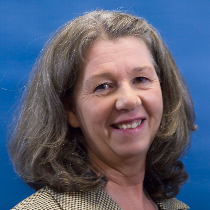 Mary Ann Brown, Executive Director, Conferences, Cambridge Healthtech Institute
Executive Director
Cambridge Healthtech InstituteMary Ann Brown joined Cambridge Healthtech Institute (CHI) in 1992 as a Data Entry Associate. At that time CHI was a start-up company with many roles to fill and explore. She quickly realized that conference production which combined creativity and love of learning was the path for her. Mary Ann’s conference portfolio is varied from biologics to batteries where she is organizes over 15 scientific meetings a year along with being a Team Lead for several Key Events. Mary Ann graduated from Doane College in 1978 with degrees in Biology, Environmental Studies, and Geology.
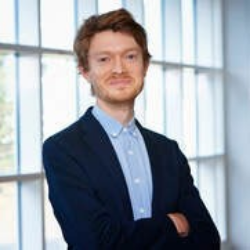 Stephen T. Buckley, PhD, Scientific Vice President, Advanced Drug Delivery, Novo A/S
Scientific VP
Novo Nordisk A/SDr. Stephen T. Buckley drives innovation in drug product design, formulation and drug delivery at Novo Nordisk A/S, with responsibilities spanning global activities across Greater Copenhagen, Denmark, and Boston, USA. His work focuses on enabling patient-centric medicines for peptide, protein and other biologic modalities, including through cross-organizational efforts to identify, evaluate and advance novel drug delivery technologies.
During his time at Novo Nordisk, Stephen has contributed to the development of multiple marketed drug products, including semaglutide, oral semaglutide, faster aspart and insulin icodec. He holds a degree in pharmacy and a Ph.D. in biopharmaceutics and cell physiology from Trinity College Dublin, Ireland, and was a Visiting Fellow at the University of Southern California, USA.
Stephen has received honors and awards from the American Association of Pharmaceutical Scientists and the Scandinavian and German Physiological Societies. He has co-authored more than 30 peer-reviewed articles, including publications in Nature, Science, Science Translational Medicine and Nature Biotechnology, and is a frequent invited speaker at research institutions, international conferences and scientific workshops.
 Nicola Burgess-Brown, PhD, Professorial Research Fellow, UCL, London; COO, Protein Sciences, Structural Genomics Consortium
Professorial Research Fellow
University College LondonNicola earned her Ph.D. in Molecular Microbiology from the University of Nottingham and began her career in industry, working on high-throughput cloning and therapeutic cancer antigen validation at Oxford Glycosciences and Celltech R&D. She spent 17 years at the University of Oxford, leading the Biotechnology Group at the Structural Genomics Consortium (SGC) and became Associate Professor and Head of the Protein Production Small Research Facility at the Centre for Medicines Discovery. From 2021–2023, she directed the Enzymology and Protein Engineering Team at Exact Sciences Innovation, focusing on proteins for cancer diagnostics. She is now Professorial Research Fellow and COO of Protein Sciences at the SGC, based at UCL, London.
 Mario Calderon, PhD, Principal Scientist, Molecular Biology, Kite Pharma
Principal Scientist
Kite a Gilead CoMario Calderon is a Principal Scientist in the Molecular Biology Group at Kite Pharma. He earned his Ph.D. in Physiology from McGill University, where his doctoral research focused on transcriptional circuits and oncology. At Kite, he works on engineering complex lentiviral payloads and automated high throughput synthetic biology workflows aided by AI-tools to generate the next generation of CAR T products.
 Iain D.G. Campuzano, PhD FRSC, Scientific Director, Molecular Analytics, Amgen, Inc.
Scientific Director
Amgen IncIain Campuzano works in and manages a core analytical research group within Amgen Research. He has invented/co-invented six mass spectrometry related patents and published over 70 peer reviewed articles and book chapters. He has also presented and organised/chaired sessions at multiple international conferences such as ASMS, ASMS Sanibel, PEGS, Discovery on Target and PITTCON.
 Lydia Caro, PhD, Associate Director, Cell Sciences, Ichnos Sciences Biotherapeutics SA
Associate Director
Ichnos Sciences
 Kevin L. Carrick, PhD, Director, Global Biologics, USP
Senior Director
USPDr. Kevin Carrick is a Senior Director of Science & Standards in USP’s Global Biologics Department. Dr. Carrick and his team work with the USP Expert Committees and Expert Panels in the area of biologics to develop standards that support biopharmaceutical quality assessment. These standards include documentary (monographs and general chapters) and physical reference standards for varied products from therapeutic proteins to advanced therapies.
 Pedro Castanheira, PhD, Head of Protein Sciences, Immunethep
Head Protein Sciences
Immunethep SAPedro Castanheira, PhD, is Head of Protein Sciences at Immunethep, with extensive experience in protein biochemistry and recombinant protein expression, including E. coli as a core production system. Over the last two decades, Pedro has worked across recombinant expression, purification, and biophysical characterization of biologics, and has contributed to the development of novel soluble T cell receptors for infectious disease applications. At Immunethep, Pedro leads protein sciences efforts supporting the development of next-generation antibacterial vaccines and antibody programs.
 Nikki Cerniuk, Conference Producer, Cambridge Healthtech Institute
Conference Producer
Cambridge Healthtech InstituteNikki Cerniuk has a background in T cell therapy research. She enjoyed the science, but wanted to lend herself to broader applications that offered more opportunities for collaboration. She joined Cambridge Heathtech Institute as a Conference Producer in 2022. Her love of continuous learning, science, and communication proved her to be a excellent complement to the role. Nikki graduated summa cum laude from the University of South Florida with a degree in Cell and Molecular Biology.
 Timothy Z. Chang, PhD, Scientist, Cell Development, Sanofi
Senior Scientist
SanofiTim Chang is a Senior Scientist in Sanofi's Cell Line Development group. He was previously in Sanofi's Large Molecule Research group, where he developed novel methods for high-throughput design and expression of multispecific biologics.
 Ya-Chi Chen, PharmD, Chief Scientific Officer, OBI Pharma
Chief Scientific Officer
OBI PharmaYa-Chi Chen, Pharm.D., is the Chief Scientific Officer at OBI Pharma, where she leads the company’s research and development strategy for next-generation antibody-drug conjugates (ADCs). Prior to this role, she served as Vice President and Head of Biology Discovery and PPT (Pharmacology, Pharmacokinetics, and Toxicology) at OBI Pharma.
Dr. Chen has over 20 years of experience in the pharmaceutical industry holding leadership roles across leading global companies including Gilead Sciences, Revolution Medicines, Genentech, BioMarin Pharmaceutical, and Hoffmann-La Roche. Her work has spanned clinical pharmacology, translational science, and early-to-late-stage drug development across oncology, immunology, and virology. At Gilead, she led the clinical pharmacology strategy for the Trodelvy® program. While at Genentech and Roche she played key roles in the development of multiple oncology and immunology therapies.
Today, at OBI Pharma, she is applying this extensive experience to advance the frontier of ADC design.
Dr. Chen earned her B.S. in Pharmacy and M.S. in Pharmaceutical Science from Taipei Medical University, followed by an M.S. in Clinical Pharmacy and a Pharm.D. from the University of Iowa. She then completed a joint postdoctoral drug development fellowship through a joint program between the University of North Carolina at Chapel Hill and GSK.
 Mark L. Chiu, PhD, President, Qilin Glen LLC
President
Qilin Glen LLCMark is a co-founder of Qilin Glen LLC. He was Chief Scientific Officer at Tavotek Biotherapeutics. He has nearly 35 years of experience in new drug discovery for AbbVie/Abbott Laboratories and Janssen. Prior to joining Tavotek, Dr. Chiu was the Head of the Process Analytical Sciences at Biotherapeutics Development and Head of Antibody Engineering in the Biologics Research Department at Janssen, the pharmaceutical branch of Johnson & Johnson (JNJ). His leadership resulted in more than 15 New Molecular Entities with 6 projects transitioning from Phase 1 to Phase 3 trials with 4 approved drugs. Dr. Chiu received his A.B. in Biophysics from University of California at Berkeley; Ph.D. degree from the University of Illinois at Urbana-Champaign, and then completed postdoctoral training at the Laboratory of Physical Chemistry at the Federal Institute of Technology at Zurich, Switzerland and the Department of Microbiology at the University of Basel Biocentre.
 Matthew A. Coleman, PhD, Senior Scientist & Group Leader, Biosciences and Biotechnology Division, Lawrence Livermore National Laboratory
Senior Scientist & Group Leader
Lawrence Livermore National LaboratoryDr. Matthew A. Coleman is a senior biomedical staff scientist and group leader at Lawrence Livermore National Laboratory as well an adjunct professor in the department of Radiation Oncology at University of California Davis School of Medicine. He received his Ph.D. in Molecular and Cellular Biochemistry from Boston University. Dr. Coleman has authored over 150 publications in peer-reviewed journals, published proceedings and book chapters covering a diverse breadth of molecular biology and biochemistry. He has over 25 years experience in developing biotechnology and characterizing genomic responses of genotoxic stressors.
 Russell Coleman, Director, Strain Engineering, Primrose Bio
Director
Primrose BioRuss Coleman is the Director, Strain Engineering at Primrose Bio Inc. focused on delivering efficient and scalable high-throughput expression strain screening strategies to enable robust manufacturing solutions for next generation biotherapeutics and vaccines. For more than 20 years, Russ has been a big fan of Pseudomonas bacteria and a key contributor in the development of Primrose Bio’s industry-proven therapeutic protein production platform, the Pfenex Expression Technology®.
 Christopher Cooper, DPhil, Senior Lecturer in Biotechnology, University of Surrey
Senior Lecturer in Biotechnology
University of SurreyChris joined the University of Surrey in 2026 and is also the Founder of Enzymogen Consulting, focusing on supporting the biotechnology and pharma community in protein and molecular biology platform development, and also business development for companies looking to access this space. Prior to this, Chris spent a number of years in industry, having joined CHARM Therapeutics, an AI-driven biotech company as Director and Head of Protein Sciences in 2022. Chris was also the Director of Protein Science at Peak Proteins, but for most of his career he has studied the biochemistry and structural molecular biology of DNA repair and replication. He was a Senior Lecturer in Biological Sciences at the University of Huddersfield for 6 years and performed his postdoctoral research at the University of Oxford, working at the Structural Genomics Consortium and Sir William Dunn School of Pathology. During this period Chris was also a College Lecturer in Biochemistry at The Queen’s College, and a Junior Research Fellow at Linacre College.
 David J. Craik, PhD, Professor & UQ Laureate Fellow, The University of Queensland
Professor & UQ Laureate Fellow
The University of QueenslandDavid Craik is a Group Leader and Professor of Chemistry at the Institute for Molecular Bioscience at The University of Queensland, Brisbane, Australia. He obtained his Ph.D. in Organic Chemistry from La Trobe University in Melbourne, Australia and undertook postdoctoral studies at Florida State University and Syracuse University before taking up a lectureship at the Victorian College of Pharmacy in 1983. He was appointed Professor of Medicinal Chemistry and Head of School in 1988. He moved to University of Queensland in 1995 to set up a new biomolecular NMR laboratory, and is currently a UQ Laureate Fellow and the Director of the Australian Research Council Centre of Excellence for Innovations in Peptide and Protein Science. His research focuses on applications of cyclic peptides, toxins, and NMR in drug design. He is a Fellow of the Australian Academy of Science and the Royal Society and has received numerous national and international awards for his research, including the Ralph F. Hirschmann Award from the American Chemical Society. He has authored more than 850 papers and has trained 100 Ph.D. students over his career.
 Maureen Crames, PhD, Principal Scientist, Biotherapeutics Discovery, Boehringer Ingelheim Pharma GmbH & Co KG
Principal Scientist
Boehringer Ingelheim Pharma GmbH & Co KGMaureen Crames is a Senior Principal Scientist leading the Biophysical Developability team within Biotherapeutics Discovery at Boehringer Ingelheim. Her team drives two missions: delivering stage-relevant developability assessments from Hits to Development handoff, and expanding biophysical techniques to investigate the underlying mechanisms, not just the symptoms. Her recent work has focused on building robust, scalable assay frameworks that bring statistical rigor to early-stage developability decisions. Prior to joining Boehringer six years ago, she earned her PhD in Chemistry from New York University, specializing in the structural and dynamic characterization of membrane proteins by NMR.
 Hussain Nuruddin Dahodwala, PhD, Professor, Upstream Process Development, IBBR NIST-UMD
Professor
IBBR-NISTHussain Dahodwala earned his PhD from RPI in 2007 and has an extensive research background. He has worked at SUNY Polytech, NIH VRC labs, and the University of Delaware. His focus lies in understanding how culture conditions and cell physiology impact living systems used in industrial processes. Specifically, he explores mammalian cell systems for therapeutic protein production. His numerous publications delve into the use of modern cell and molecular biology, as well as “omics†approaches, to optimize production systems from both engineering and biological perspectives.
 Kristine Deibler, PhD, Director, Molecular Artificial Intelligence, Novo AS
Director
Novo ASKris is the Director of Molecular AI in AI and Digital Innovation at Novo. She is leading a global area focused on the development and implementation of AI/ML methods for therapeutic design and optimization across modalities. Molecular AI is actively developing Novo –tailored foundation models to enhance molecular representation, predict biophysical properties linked to developability and potency, and develop advanced generative AI methods in molecular design and optimization. Before joining Novo Nordisk, Kris trained as an organic chemist and earned her Ph.D. in Organic Chemistry from Northwestern University. She pivoted her research focus to computational molecular design during her postdoctoral fellowship with David Baker, where she specialized in designing peptidomimetic GPCR agonists. During this time, she developed innovative computational methods for designing macrocyclic peptides that incorporate non-canonical amino acids. Kris is not only passionate about developing innovative AI methods but is even more driven by the pursuit of discovering impactful therapeutics.
 Ratmir Derda, PhD, Founder & CSO, 48Hour Discovery, Inc.
Founder & CSO
48Hour Discovery IncRatmir Derda received his undergraduate degree in Physics, PhD in Chemistry from the University of Wisconsin-Madison, and postdoctoral training at Harvard University. He joined University of Alberta in 2011 as an Assistant Professor in Chemistry and was promoted to Associate Professor in 2017 and Professor in 2021. He is an author of nearly 100 peer-reviewed publications and supervised >100 trainees. From 2017 to 2023, he served as the founding CEO and from 2023 to today as CSO of 48Hour Discovery Inc., an Edmonton-based biotechnology company that develops and licenses Peptide-derived Therapeutic solution with focus on Targeted Radio-Pharmaceuticals and immune cell targeting. His notable awards include X-Chem Research Excellence Award (2022) and Melanie O'Neill Young Investigator Award in Biological Chemistry from Canadian Society of Chemistry (2018), David Gin New Investigator Award in carbohydrate chemistry from American Chemical Society (2017), Rising Star in Chemical Biology (2016); Young Investigator Award from the Boulder Peptide Society (2014); Gold Medal at the XXIX International Chemistry Olympiad (1997).
 Genevieve Desjardins, PhD, Associate Director, Protein Engineering, Zymeworks
Associate Director
Zymeworks IncGenevieve Desjardins is the Associate Director of Protein Engineering at Zymeworks, where she contributes to the discovery and development of next-generation multispecific antibody therapeutics. Her work in protein engineering has supported multiple clinical-stage programs, including Ziihera® (zanidatamab), a biparatopic HER2 targeted antibody, ZW171, a mesothelin targeted T cell engager, as well as ZW209, a DLL3-targeted T cellengager with CD28 co-stimulation. Her contribution spans from early discovery through IND filing with a focus on engineering robust therapeutic molecules to tackle complex biological problems. Genevieve has over a decade of industry experience working on antibody drug development, platform engineering and leading programs across oncology and immunology indications. Her contributions have helped drive innovative approaches to multispecific design, including optimization of format, affinity, stability, and manufacturability. Genevieve is passionate abouttranslating cutting-edge protein engineering technologies into impactful medicines for patients and actively engages in scientific collaboration and knowledge sharing within the biotech community.
 John R. Desjarlais, PhD, CSO, Xencor
CSO
Xencor IncDr. Desjarlais is the Executive Vice President, Research and CSO at Xencor, Inc. Since joining Xencor in 2001, Dr. Desjarlais has overseen the company’s engineering, discovery, and preclinical work on antibodies and other proteins. With his coworkers, Dr. Desjarlais has developed several novel technologies for the optimization of antibodies and other proteins, including a platform for generation of bispecific antibodies, and has led the discovery of multiple therapeutic antibody candidates, including CD3 bispecific antibodies, checkpoint bispecific antibodies, and cytokine-Fc fusions for treatment of a variety of diseases. Dr. Desjarlais oversees all of Xencor’s discovery research and preclinical activities, from project conception and candidate generation through preclinical proof-of-concept and early development. Prior to Xencor, Dr. Desjarlais was an Assistant Professor of Chemistry at Penn State University (1997-2001), where he developed and tested methods for the de novo design of protein sequences. He began his work in the field of protein design as a Jane Coffin Childs Fellow at UC Berkeley. Dr. Desjarlais holds a PhD in Biophysics from the Johns Hopkins University and a BS degree in Physics from the University of Massachusetts, Amherst.
 Achim Doerner, PhD, Scientific Director, Antibody Discovery & Protein Engineering, Merck Healthcare KGaA, Darmstadt
Scientific Director
Merck Healthcare KGaAA biochemist by training, Achim has been designing and progressing bispecific antibodies and bispecific ADCs preclinically for over a decade, including technology development for their effective screening. Complementary interests are protein engineering and optimized screening of complex biotherapeutics via mammalian libraries in microfluidic functional screens.
 Matthew R. Drew, Eukaryotic Protein Expression Lead, Protein Expression Lab, Frederick National Lab for Cancer Research
Eukaryotic Protein Expression Lead
Frederick National Lab for Cancer ResearchMatthew is currently the head of the Eukaryotic Expression Group for Protein Expression Laboratory (PEL) at the Frederick National Laboratory for Cancer Research in Frederick, Maryland. The Eukaryotic Expression Group expresses a variety of proteins in support of the NCI RAS Initiative and for investigators at the National Institutes of Health. The Eukaryotic Expression Group also focuses heavily on inventing and developing novel technologies to improve protein expression and production with a focus primarily on baculovirus production. Matthew received his undergraduate degree at the University of Maryland and then went to work as a Production Scientist at Trevigen, Inc. where he helped to express and produce the company’s large portfolio of products as well as help in the development of many of their new products. Matthew joined the PEL in 2015 and has since helped the PEL and RAS Initiative to improve the overall expression of numerous proteins and complexes.
 Pankaj Dwivedi, PhD, Associate Principal Scientist, Digital Technologies, Merck
Associate Principal Scientist
MerckDr. Pankaj Dwivedi is an established researcher and scientific leader in biopharma R&D currently at Merck, where he works in Digital Technologies organization. His expertise spans cancer biology, immunology, protein biochemistry, proteomics, vaccine analytical R&D, and digital technologies. He has a strong track record of advancing science at the intersection of analytical innovation and data-driven research, with a focus on enabling impactful solutions across biopharmaceutical discovery and development.
 Karsten Eastman, PhD, Co-Founder, Sethera Therapeutics
Co-Founder & CEO
Sethera TherapeuticsKarsten Eastman, PhD, is the founder and CEO of Sethera, a biotechnology company developing enzymatically constrained peptide platforms for therapeutic discovery. He earned his doctorate in chemistry from the University of Utah, where his research focused on radical SAM enzymes and macrocyclic peptides. His work has helped establish recombinant and synthetic strategies for generating structurally diverse peptide macrocycles and polymacrocycles. At Sethera, he leads the development of these technologies for high-throughput screening, target-specific drug discovery, and scalable production of next-generation peptide therapeutics.
 Takashi Ebihara, COO, GeneFrontier Corp.
COO
GeneFrontier Corp.The COO of GeneFrontier Corporation since 2010, with a focus on advancing cell-free protein expression technologies, particularly the PURE system. Earned a Ph.D. in cell-free protein synthesis from Tokyo Institute of Technology in 2000, and played a key role in the establishment of GeneFrontier in 2003, leveraging his deep expertise in cell-free protein synthesis following experience in life science venture capital.
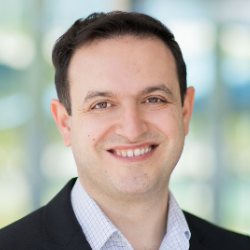 Ugur Eskiocak, PhD, CEO & Co-Founder, Voro Therapeutics
CEO & Co Founder
Voro TherapeuticsUgur Eskiocak, PhD is the Co-Founder and CEO of Voro Therapeutics. Voro is developing oncology therapeutics through its category-defining, tumor-activated biologics platform. He has 20 years of experience in oncology research and drug development. He has advanced 6 immuno-oncology programs through IND-enabling studies and into the clinical trials in various leadership roles at Compass Therapeutics, Xilio Therapeutics, Takeda and Janux Therapeutics.
 Dominic Esposito, PhD, Senior Director, Protein Sciences, Septerna
Senior Director, Protein Sciences
SepternaDr. Esposito is currently the Director of the Protein Expression Laboratory (PEL) and Project Lead for the RAS Reagents Core at the Frederick National Laboratory for Cancer Research in Frederick, Maryland. The 38 employees in the PEL clone, express, and purify proteins from a variety of host organisms in support of the NCI RAS Initiative and for investigators at the National Institutes of Health. In addition, the PEL invents and develops novel technologies for improving protein expression and production, focused heavily on baculovirus expression technology and combinatorial cloning. Prior to his role as director, Dr. Esposito led the Clone Optimization Group in the PEL for nine years and was responsible for the generation of over 15,000 expression clones, 400 new expression vectors, and several technological innovations in protein expression. Dr. Esposito received his B.A. in Chemistry at La Salle University in Philadelphia, and his Ph.D. in Biochemistry in the laboratory of Dr. John Scocca at the Johns Hopkins University Bloomberg School where he studied bacteriophage site-specific recombination. Dr. Esposito then worked as a postdoctoral fellow in the laboratory of Dr. Robert Craigie at the NIDDK, where he studied the protein-DNA interactions involved in the HIV integration reaction. Prior to joining the FNL in 2001, Dr. Esposito worked for three years as a Staff Scientist in the Protein Engineering group at Life Technologies, where he helped to develop the Gateway recombinational cloning system. Dr. Esposito has published over 100 peer-reviewed manuscripts in the fields of protein expression and DNA recombination.
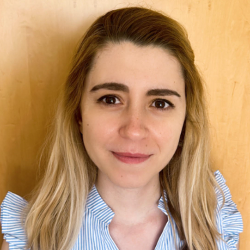 Julia Fakhiri, PhD, Scientist, Gene Therapy Bioanalytics, Roche Diagnostics GmbH
Scientist
Roche Diagnostics GmbHJulia Fakhiri earned her PhD in Biology from the University of Heidelberg (Germany), where she delved into diverse gene therapy aspects, ranging from parvovirus capsid engineering to in vivo applications of AAV-CRISPR/Cas9. During her postdoctoral training at the Department of Infectious Diseases, University Hospital Heidelberg, she collaborated with industry partners on in vivo screening of AAV libraries. Following that, Dr. Fakhiri pursued another postdoctoral stint at Roche Pharma Research and Early Development (pRED) in Penzberg, Germany, focusing on developing processes for producing recombinant viral vectors based on AAV. Currently, she works as a Scientist in Roche's Bioanalytics and Biomarker department, where she specializes in developing assays for quantification and detection of AAV in vivo.
 Tomer Faraggi, PhD, Senior Scientist, Parabilis Medicines
Senior Scientist
Parabilis MedicinesI am currently a Senior Scientist in the Pharmaceutical Development Chemistry group at Parabilis Medicines, a biotech company in the Cambridge area specializing in the development of stapled-peptide based drugs. I work on developing scalable routes to our stapled peptide products and on manufacturing of drug substance for preclinical and clinical studies. I have previously worked in the radiosynthesis group at Syngenta, and I received my PhD from Princeton University in 2019, working on photochemical methodology development.
 Jonathan Fauerbach, Head, R&D, LenioBio GmbH
Head
LenioBio GmbHDr. Jonathan A. Fauerbach (PhD, MBA), Head of R&D at LenioBio GmbH, leads scientific innovation and strategic advancement of the ALiCE cell-free eukaryotic platform for high-throughput protein expression. With expertise in expressing complex proteins—including full-length mAbs, intractable antigens like GPCRs, and therapeutic mini-binders (nanobodies, VHHs, peptides)—he drives lab-in-the-loop workflows that collapse discovery timelines from weeks to days. Dr. Fauerbach earned his PhD in Organic Chemistry from the University of Buenos Aires and conducted postdoctoral research in protein biophysics at Stanford University and the Max Planck Institute for Biophysical Chemistry, focusing on neurodegenerative disease mechanisms and aggregation kinetics. His industry leadership includes Business Segment Leader for Cell Separation at Miltenyi Biotec, plus dual MBAs from Rotterdam School of Management and University of Cologne.
 Paula Florez, PhD, Postdoctoral Fellow, Protein Sciences, Genentech Inc.
Post Doctoral Fellow
Genentech IncOriginally from Colombia, I am a peptide engineer and researcher inspired by how evolution and nature work. After earning my undergraduate degree in chemistry, I moved to the University of Utah to pursue my Ph.D. There, I worked alongside Dr. Helena Safavi and Dr. Adam Douglass to discover and characterize venom peptides from a diverse group of marine gastropods known as cone snails.
Currently, I work as a Post Doctoral Fellow at Genentech, where I develop computational tools and experimental approaches for designing novel peptides and miniproteins combined with display technologies. I am an avid outdoors enthusiast, and I channel my passion for the natural world into developing novel, biomimetic therapeutics.
 Adam Fraites, Senior Scientist, Nabla Bio
Senior Scientist
Nabla BioAdam Fraites is a Senior Scientist in the Protein Sciences group at Nabla Bio with 10 years of experience in biotech spanning protein biochemistry, biophysics, and structural biology. Adam's current work focuses on developing new technologies that scale protein characterization and shorten timelines across expression, purification and characterization workflows for biologics. At Nabla Bio, these technologies are implemented to enable high throughput production and developability evaluation (including polyreactivity, stability, immunogenicity) of fully de novo and AI-designed therapeutic biologics for both model training and candidate selection.
 Annie Frelet-Barrand, PhD, Researcher, MN2S, Institut FEMTO-ST
Researcher
Institut FEMTO-STDr. Annie Frelet-Barrand studied biochemistry at the University of Franche-Comté (France) and was graduated as MS in 1998. In 2006, she received her PhD degree on MP characterization at the Institute of Plant Biology, Zurich. During her postdoctoral fellowship (CEA Grenoble, France), she developed L. lactis system for functional characterization of MPs. In 2009, she became CNRS Researcher at CEA Saclay, studying MPs involved in liver detoxification. In 2015, she integrated the Institute FEMTO-ST and is now producing and characterizing diverse biological elements from proteins, vesicles, to bacteria and cells, and in particular continuing to develop MP expression and characterization in L. lactis. She published 21 research articles and 4 book chapters (h=17).
 Norbert Furtmann, PhD, Head, Biologics AI & Design, Computational and AI Strategy, Sanofi
Global Head of Biologics AI & Design
SanofiUpon finishing his studies in Pharmaceutical Sciences, Dr. Furtmann pursued his interdisciplinary Ph.D. in Computational Life Sciences and Pharmaceutical Chemistry at the University of Bonn's B-IT (Bonn-Aachen International Center for Information Technology), a leading center for AI and computational research. Since joining Sanofi in 2016, he has held various roles focused on computational and AI-based biologics design. Currently, Dr. Furtmann heads the global Biologics AI & Design teams within Sanofi's Computational and AI Strategy organization, spanning next-generation foundational models, virtual screening and property prediction, and de novo design for next-generation biotherapeutic modalities.
 Abir Ganguly, PhD, Senior Director & Head, Physics-Based Modeling and Simulation, TandemAI
Senior Director and Head of Physics-based Modeling and Simulations
TandemAIAbir Ganguly, Ph.D., is Senior Director and Head of Physics-Based Modeling and Simulation at TandemAI, where he leads the development and application of advanced computational drug-discovery methods that combine physics and AI. Before joining TandemAI, Dr. Ganguly was a Research Professor at Rutgers University’s Institute for Quantitative Biomedicine, where he developed high-performance drug-discovery tools for the AMBER molecular simulation software and maintained the AMBER Drug Discovery Boost platform.
 Jianmin Gao, PhD, Professor and Chair of Chemistry, Boston College
Professor and Chair
Boston CollegeProfessor Gao received his college education at the University of Science of Technology of China (USTC), where he received Guo MoRuo Fellowship, the highest honor a USTC undergraduate could have. In 1999, Professor Gao came to the United States to pursue graduate education, for which he worked with Professor Eric Kool in the Chemistry Department of Stanford University. As a graduate student, Professor Gao worked on the synthesis and evaluation of novel DNA analogues. In 2004, Professor Gao moved to the Scripps Research Institute, where he was a post-doctoral fellow with Professor Jeff Kelly. His post-doctoral work exploited chemical protein synthesis to understand protein folding and stability. Professor Gao started his independent career at Boston College in 2007 and was awarded tenure in 2013. The Gao group research lies at the interface of organic chemistry, chemical biology, and microbiology. His group develops novel chemistries and strategies to enable probe/inhibitor design for important biological targets that are undruggable by traditional synthetic molecules. Specifically, Gao and coworkers have reported the utilization of polar- interactions (Acc. Chem. Res, 2013) and dynamic covalent chemistry (Acc. Chem. Res, 2019) in molecular design to target biomolecules. Furthermore, the Gao group has integrated these novel binding mechanisms into high-throughput screening platforms for molecular probe discovery. The research of the Gao group has resulted in forty publications and attracted funding from both NSF and NIH. Professor Gao was recognized by a Smith Family Young Investigator Award (2007), an Ono Pharma Breakthrough Science Award (2020), and a Distinguished Faculty Award (2019) from the Chinese-American Chemistry & Chemical Biology Professors Association (CAPA). He was also the recipient of the Boston College’s Teaching & Mentoring Award of 2020.
 Nathan Gardner, PhD, Founder & Principal Consultant, Cell-Free Group
Founder & Principal Consultant
Cell-Free GroupNathan Gardner, PhD, is a synthetic biology professional with more than a decade of experience engineering proteins, developing expression technologies, and commercializing research tools. He earned his PhD in Biomolecular Structure and Biophysics from Purdue University and held research positions at both Purdue University and the University of Chicago, where he studied protein-ligand interactions and antibody engineering for structural biology applications. As Lead R&D Scientist and Quality Assurance Manager at Daicel Arbor Biosciences, Dr. Gardner developed and commercialized the patented myTXTL® Antibody/DS cell-free expression system. His career has spanned protein crystallization, assay development, product commercialization, and quality management, providing a unique perspective on the importance of quality throughout the product lifecycle. He now operates Cell-Free Group to provide support services, centered around cell-free protein expression, to groups looking for expression solutions and to commercial vendors looking to enhance their market standing. Dr. Gardner is recognized for driving operational improvement through analytical problem-solving, cross-functional collaboration, and empathetic leadership.
 Swapnil V. Ghodge, PhD, Scientist IV, Biological Chemistry, Genentech, Inc.
Scientist 4
Genentech, Inc.Swapnil Ghodge is a drug discovery scientist with deep expertise in proteins and peptides. In the Department of Biological Chemistry at Genentech, he works at the interface of target assessment, hit discovery and lead optimization for proteins as both targets and therapeutics, and peptides. He has successfully led several drug discovery projects from the bench through governance milestones. He is also experienced in biopharma portfolio strategy and planning. Before joining Genentech, he was trained in enzymology during his PhD at Texas A&M University Department of Chemistry, and peptide natural product biosynthesis and engineering during his postdoctoral training at the University of North Carolina Eshelman School of Pharmacy.
 S. Gnana Gnanakaran, Staff Scientist, Theoretical Biology & Biophysics Group, Los Alamos National Lab
Staff Scientist
Los Alamos Natl Lab
 Gevorg Grigoryan, PhD, Co-Founder & CTO, Generate Biomedicines
Co-Founder & CTO
Generate: BiomedicinesSince co-founding Generate:Biomedicines, Gevorg Grigoryan, PhD, has served as Chief Technology Officer, playing a foundational role in establishing the company’s scientific vision and technological backbone. As an architect of The Generate Platform™, Gevorg has led the integration of machine learning and protein science to enable the on-demand generation of novel therapeutics across a wide range of biologic modalities. Under his scientific leadership, Generate:Biomedicines has advanced a growing pipeline of preclinical programs and clinical assets, all rooted in a generative approach to biology. Prior to founding Generate:Biomedicines, Gevorg was a tenured professor at Dartmouth College, where his interdisciplinary research across computer science, chemistry, biology, and physics contributed major insights into the principles of protein structure and function. His academic work was instrumental in demonstrating the feasibility of generative design and continues to inform the scientific direction of the company. Gevorg has authored more than 50 peer-reviewed publications in top-tier journals including Nature, Science, and PNAS. His research has earned recognition from the Alfred P. Sloan Foundation, the National Institutes of Health, the National Science Foundation, and the American Cancer Society. He holds a PhD from the Massachusetts Institute of Technology and dual bachelor’s degrees in Biochemistry and Computer Science. In his role at Generate:Biomedicines, Gevorg remains focused on driving innovation at the intersection of computation and biology and enjoys working with brilliant scientists on some of the toughest challenges in molecular and therapeutic science.
 Dan Groff, PhD, Senior Principal Scientist, Sutro Biopharma
Senior Principal Scientist
Sutro BiopharmaI am a Senior Principal Scientist at Sutro Biopharma, where I am responsible for strain engineering and platform development. In this role, I have helped develop Sutro’s proprietary cell free protein synthesis platform which was used to discover and manufacture the world's first cell-free produced biologics to enter clinical trials. I hold undergraduate degrees in mathematics, biology and chemistry from the College of Idaho. I completed a PhD in chemical biology from The Scripps Research Institute for work with genetically encoded photoactive unnatural amino acids in the lab of Peter Schultz. My training continued as a postdoc in the lab of Jay Keasling where I gained experience engineering bacteria to convert biomass into biofuels.
 Carissa Grose, Co-Director, Protein Expression Laboratory, Cancer Research Technology Program, Leidos Biomedical Research Inc.
Co Dir Protein Expression Lab
Leidos Biomedical Research IncCarissa Grose has more than 25 years of experience in biotechnology with a focus on molecular biology and genome engineering. In her current role as Co-Director of the Protein Expression Laboratory at the Frederick National Laboratory for Cancer Research, she oversees the design, expression, purification, and quality control of a wide variety of difficult protein targets to serve the RAS Initiative as well as other NIH organizations.
 Haotian Guo, PhD, Founder & CEO, Ailurus Bio
Founder & CEO
Ailurus BioHaotian Guo is the founder and CEO of Ailurus Bio, driving innovation at the intersection of synthetic biology and AI to advance life sciences and biotechnology. He has pioneered synthetic organelle technologies leveraging liquid-liquid phase separation to transform applications ranging from metabolic engineering to recombinant protein production, with his work featured in Cell and major media outlets. Haotian earned his Ph.D. from the University of Paris and has contributed to research and education at leading institutions, including INSERM, Tsinghua University, MIT, UCSF, and Fudan University.
 Benjamin J. Hackel, PhD, Professor, Chemical Engineering & Materials Science, University of Minnesota
Professor
University of Minnesota Twin CitiesBen Hackel is a Professor of Chemical Engineering and Materials Science at the University of Minnesota. He earned degrees in chemical engineering from the University of Wisconsin (B.S., advised by Eric Shusta) and MIT (PhD, advised by Dane Wittrup) and performed postdoctoral research in the radiology department at Stanford University (Sam Gambhir). Since its inception, the Hackel lab has applied protein engineering technologies to develop physiological molecular targeting agents for molecular diagnostics and targeted therapy, with a focus on oncology and infectious disease.
 Ken K. Hallenbeck, Associate Principal Scientist, Merck & Co., Inc.
Associate Principal Scientist
Merck & Co, Inc.Ken received his PhD from the University of California, San Francisco and has worked in peptide discovery at Genentech, Avitide, and now Merck. He is currently an Associate Principal Scientist in Merck's Early Discovery department in Rahway NJ, which supports an exciting pipeline of peptide therapeutic programs.
 Umer Hassan, PhD, Associate Professor, Electrical & Computer Engineering, Rutgers University
Associate Professor
Rutgers UniversityUmer Hassan is an Associate Professor in the Department of Electrical and Computer Engineering and Core Faculty Global Health Institute at Rutgers University. Before joining Rutgers, he worked as a Research Scientist in the Department of Bioengineering at University of Illinois Urbana-Champaign (UIUC) with a Research Affiliate appointment at Carle Foundation Hospital, Urbana. Dr. Hassan’s research efforts have been focused on developing bioengineering solutions for global-health applications including point-of-care (PoC) biosensors development for disease diagnosis. Dr. Hassan has received Brandt Early Career Investigator Award in Precision Medicine (2017), BMES Career Development Award (2017), Baxter Young Investigator Award (2016, 17), Emerging Engineer Award (2015), Cozad New Venture Competition Award (2014), NSF I-Corps Fellowship (2014) and Our Common Future Fellowship (2010). In 2014, Umer cofounded a startup, Prenosis, Inc. that is working on commercializing his developed biosensors.
 Lidong He, PhD, Principal Scientist, Process Development, Amgen Inc.
Principal Scientist
Amgen IncLidong He is a Process Development Principal Scientist at Amgen Inc. He completed his PhD in Analytical Chemistry from Florida State University and National High Magnetic Field Laboratory. After clinical chemistry postdoctoral fellowship at University of Virginia, he joined Amgen Process Development Attribute Science department. His research interest is mass spectrometry characterization of therapeutic proteins. He has published 23 research articles with over 1500 citations and 5 patents/invention disclosure. He has authored 23 talks/posters at conferences, universities, and industry.
 Ryan Henrici, MD, PhD, Vice President, Discovery Medicine, BigHat Biosciences
Vice President
BigHat BiosciencesRyan is a physician-scientist with expertise in infectious diseases and hematology and Director of Translational Research at BigHat Biosciences. He is also an Associate Scholar of Global Health and Lecturer at the University of Pennsylvania School of Medicine. He originally trained in structural biology and X-ray crystallography at Penn State University and subsequently earned his PhD in Infectious and Tropical Diseases from the London School of Hygiene & Tropical Medicine and MD from the University of Pennsylvania. At BigHat, Ryan leads target identification, antibody discovery, and lead optimisation using a variety of techniques supported by machine learning methodologies. His research group is developing BigHat’s therapeutic pipeline from concept through development.
 Emil Peter Thrane Hertz, PhD, Head, Discovery, Skape Bio
Head
Skape BioAt Skape Bio, I lead a team of scientists taking de novo designed proteins through high-throughput screening, rapid protein production and pharmacological testing to discover functional miniproteins that modulate G-protein coupled receptors. I have a PhD in molecular mechanisms of disease from the University of Copenhagen. Before joining Skape Bio I was an assistant professor at the University of Copenhagen applying and developing high-throughput, high-content screening methodologies to study genomic integrity during mitotic cell division.
 Melanie Higgins, PhD, Assistant Professor, Biological Sciences, University of Alabama
Assistant Professor
University of AlabamaDr. Melanie Higgins is an Assistant Professor in the Department of Biological Sciences at The University of Alabama, where she has led an interdisciplinary research program since 2021. Her research combines microbiology, biochemistry, structural biology, bioinformatics, and mass spectrometry to discover microbial enzymes and natural products. Current projects focus on understanding how bacteria degrade complex glycans, uncovering new glycoside hydrolases and glycan degradation pathways, and discovering novel microbial natural products and the biosynthetic enzymes that produce them.
 Mitchell Ho, PhD, Senior Investigator & Deputy Chief, Laboratory of Molecular Biology; Director, Antibody Engineering Program, National Cancer Institute
Senior Investigator & Deputy Chief
National Cancer Institute, National Institutes of HealthDr. Mitchell Ho is a Senior Investigator, Deputy Chief of the Laboratory of Molecular Biology, and Director of the Antibody Engineering Program at the National Cancer Institute (NCI), National Institutes of Health (NIH). His research combines antibody engineering and cancer biology to develop next-generation immunotherapies. His laboratory studies the roles of glypicans in regulating Wnt and YAP signaling and translates these discoveries into antibody- and T-cell-based therapeutics. His laboratory also pioneered mammalian cell display technology and developed shark and camel single-domain antibody libraries to advance antibody discovery. Several therapies from his laboratory, including CAR T-cell therapies, are advancing toward clinical trials for liver cancer, pediatric cancers, mesothelioma, and other malignancies. Dr. Ho earned his Ph.D. in Immunology from the University of Illinois at Urbana-Champaign. He is the founding Editor-in-Chief of Antibody Therapeutics (Oxford University Press), an AIMBE Fellow, and the 2024 Asian American Engineer of the Year. His honors also include NIH and NCI Innovation Awards and the HHS Dr. Francisco S. Sy Award for Mentorship Excellence.
 Sunhee Hwang, PhD, Scientist 4, Peptide Therapeutics, Genentech Inc.
Scientist 4
Genentech IncDr. Hwang is a Scientist 4 at Genentech in the Peptide Therapeutics team under the Early Discovery Biochemistry department. She received her Ph.D. from Duke University, where she studied and investigated epigenetic protein-protein interactions, and completed her postdoctoral training at Stanford University, leading and developing small molecules for engineering protein dynamics. Since joining Genentech in 2019, she has investigated various signaling pathways involved in disease pathogenesis using peptides as a tool. She currently focuses on the identification and development of disulfide-constrained peptides (DCPs) using phage-display technology, supporting pipeline projects at Genentech, and the bioproduction of DCPs using the E. coli system to support DCP research.
 Tomoyuki Igawa, PhD, Vice President & Head, Discovery Research Division, Chugai Pharmaceutical Co., Ltd.
Vice President, Head
Chugai Pharmaceutial Co.,Ltd.Tomoyuki Igawa, Ph.D., graduated and was awarded Ph.D. from the University of Tokyo. Dr. Igawa started his career at Chugai Pharmaceutical, a member of the Roche group, and has led the effort to develop novel antibody engineering technologies, such as bispecific antibody for Hemlibra® (emicizumab), recycling antibody for Enspring® (satralizumab) and crovalimab, half-life extension technology for Mitchga® (nemolizumab), and other various technologies applied to current Chugai/Roche pipeline products. After serving as CEO and Research Head of Chugai Singapore, and Head of Translational Research Division in Chugai Pharmaceutical, Dr. Igawa is currently responsible for drug discovery as a Head of Discovery Research Division. Dr. Igawa has published > 40 peer reviewed papers and is an inventor of > 100 patents in antibody drug discovery.
 Saeed Izadi, PhD, Director, Research Data Sciences, Gilead Sciences
Director
Gilead SciencesSaeed Izadi is Director, Research Data Sciences at Gilead Sciences, where he leads computational strategies for biologics discovery and development. His research focuses on applying structure-based modeling, molecular simulation, statistics, and machine learning to predict molecular properties and enable rational engineering of next-generation therapeutics, including antibodies, multispecifics, and antibody-drug conjugates.Previously, he worked at Genentech, where he developed and applied in silico methods for protein therapeutics. He received his Ph.D. in Biomedical Engineering from Virginia Tech, along with an M.Sc. in Aerospace Engineering and a B.Sc. in Mechanical Engineering.
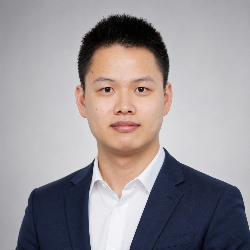 Yuming Jiang, PhD, Postdoctoral Researcher, Health Sciences University, Cedars Sinai Medical Center
Postdoctoral Researcher
Cedars Sinai Medical CenterDr. Yuming Jiang is a Postdoctoral Fellow at Cedars-Sinai Medical Center. He earned his PhD in Analytical Chemistry from the University of Chinese Academy of Sciences. His research focuses on developing high-throughput proteomics and multi-omics technologies through mass spectrometry, laboratory automation, and AI-driven data analysis. He has published more than 20 peer-reviewed papers in journals including *Angewandte Chemie International Edition*, *Analytical Chemistry*, ACS Measurement Science Au, and Nature Aging. His current work aims to build scalable AI-enabled multi-omics platforms for biological screening and drug mechanism discovery. He was recognized as a **2024 Rising Stars in Proteomics and Metabolomics** by the *Journal of Proteome Research*.
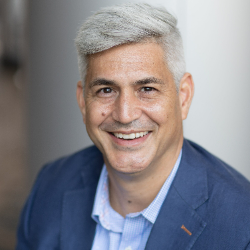 Charles Johannes, PhD, Founder & Principal, EPOC Scientific; President & Co-Founder, Peptide Drug Hunting Consortium (PDHC)
Founder, Chief Scientist
EPOC Scientific LLCCharlie Johannes is the Founder, President, and Chief Scientist at EPOC Scientific, CO-founder, VP and board member of the Peptide Drug Hunting Consortium, and former Vice President of Exploratory Chemistry at Fog Pharmaceuticals, where he helped pioneer the development of hyper-stabilized helical peptides (Heliconsâ„¢). With over 25 years of experience as a drug hunter and platform innovator, Charlie has led efforts in novel modality design, medicinal chemistry, and chemistry-enabled therapeutic platforms across industry and academia.
At EPOC, he advises biotech startups, RLT companies, and venture firms on peptide therapeutics and translational strategy, with clients including Unnatural Products, 48Hour Discovery, Atommap, and others. Previously, he served as Head of Organic Chemistry at ASTAR in Singapore, where he led national peptide drug discovery initiatives, secured over $60 million in funding, and forged a landmark collaboration with Merck. He also held key scientific leadership roles at Forma Therapeutics, Infinity Pharmaceuticals, Eisai, and multiple research institutes under ASTAR.
Charlie earned his Ph.D. in Organic Chemistry from Boston College under Prof. Amir Hoveyda, where he developed early applications of Ring Closing Metathesis for macrocycle and natural product synthesis.
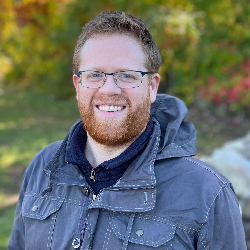 Christian W. Johnson, PhD, Assistant Professor, Chemistry & Biochemistry, University of South Carolina
Assistant Professor
University of South CarolinaDr. Johnson earned his PhD in Chemistry from Northeastern University in 2016 and completed his post-doctoral work at Dana Farber Cancer Institute in the Department of Cancer Biology. Dr. Johnson joined the USC Department of Chemistry and Biochemistry as an assistant professor in 2024.
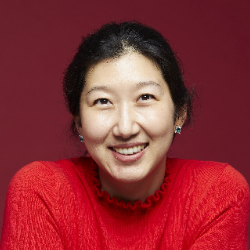 Guipeun Kang, PhD, Senior Scientist, Biological Engineering, AstraZeneca
Senior Scientist
AstraZenecaGuipeun received her Ph.D. in Physical Chemistry from the University of California, San Diego, where she studied the folding dynamics of outer membrane protein A (OmpA) using FRET. She then undertook her postdoctoral training at UT Southwestern Medical Center in structural biology, with a particular focus on ligand-gated ion channels using cryo-EM. She later joined AstraZeneca as a Senior Scientist, supporting pipeline and technology development projects in antigen production, particularly for membrane protein targets.
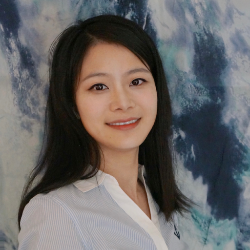 Jing Ke, PhD, Associate Principal Scientist, Discovery Biologics, Merck & Co.
Associate Principal Scientist
Merck & Co.Dr. Jing Ke is an associate principal scientist in Discovery Biologics of Merck Research Laboratory. Her expertise lies in lab automation, process optimization, and data processing algorithm. She obtained her PhD degree on Biochemical Engineering from Washington State University. Then worked as a high-throughput production and characterization scientist in Lawrence Berkeley National lab and later in Unchained Labs, providing automation solutions for biopharma customers. Dr. Ke has over 30 publications in her field with over 1800 citations. She is passionate to contribute automation and statistics to advance drug discovery.
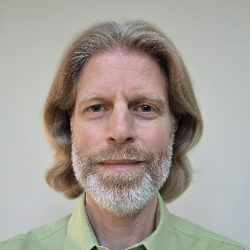 Chris Kemball, PhD, Senior Principal Scientist, Biochemical & Cellular Pharmacology, Genentech, Inc.
Senior Principal Scientist
Genentech IncChristopher Kemball received a B.A. in Biochemical Sciences from Harvard University and a Ph.D. in Immunology & Microbial Pathogenesis from Emory University. He conducted postdoctoral research at The Scripps Research Institute and investigated how coxsackievirus impairs antiviral T cell immunity and modifies cellular autophagy. Chris joined Agensys, Inc. in 2011 as a scientist and led preclinical research programs focused on bispecific antibodies and next-generation antibody drug conjugates. Chris joined Genentech, Inc. in 2018 and is a scientist in the Department of Biochemical & Cellular Pharmacology, supporting biochemical and cellular characterization of protein therapeutics for immuno-oncology.
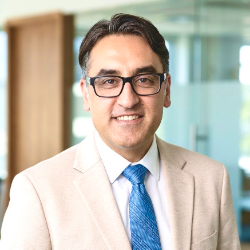 Behnam Keshavarz, PhD, Principal Scientist, Johnson & Johnson Innovative Medicine
Principal Scientist
Johnson & Johnson Innovative MedicineI'm a Senior Scientist with over 12 years of experience at the intersection of protein sciences, lab automation, and scientific informatics. My career spans academic research in immunology and allergen characterization to industry leadership in high-throughput automation platform development, LIMS architecture, and strategic outsourcing operations. I have contributed to diverse areas including monoclonal antibody development, immunoassay engineering, and the design of end-to-end robotic workcells that accelerate drug discovery workflows. I'm passionate about bridging the gap between bench science and digital infrastructure, leveraging tools such as laboratory information management systems, liquid handling robotics, and emerging AI capabilities to modernize how scientific teams generate, track, and act on data. I've been recognized with multiple awards for technical achievement and process innovation, and I'm committed to mentorship and cross-functional collaboration as drivers of scientific progress.
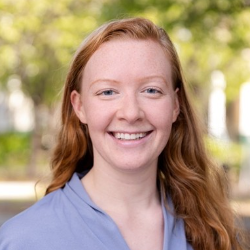 Ellie King, PhD, Senior Scientist, Biologics Engineering, AstraZeneca
Senior Scientist
AstraZenecaEllie joined AstraZeneca's Biologics Engineering department as a senior scientist in September 2025. She works as a mass spectrometrist in the analytics and developability group and is primarily responsible for automation and analysis of intact MS QC for the high-throughput biologics production team. Prior to AZ, she received her PhD in chemical biology at the University of California, Berkeley working on mass spectrometry-based approaches to development of small molecule induced proximity platforms.
 Anna Klassen, Product Mgr, Digital Membrane Chromatography, i3 Membrane Corp
Product Mgr
i3 Membrane Corp
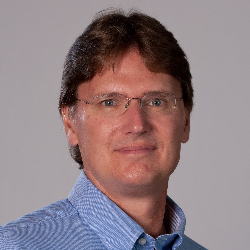 Thomas Kodadek, PhD, Professor, Department of Chemistry, University of Florida, Scripps Biomedical Research
Professor
University of Florida Scripps Biomedical ResearchProf. Thomas Kodadek received his B.S. in Chemistry at the University of Miami (FL) in 1981 and his Ph.D. in Organic Chemistry from Stanford University in 1985. He then pursued postdoctoral studies in the laboratory of Prof. Bruce Alberts at the University of California, San Francisco Medical School from 1985-1987. In the fall of 1987, he joined the faculty of Chemistry & Biochemistry at the University of Texas at Austin, rising to the rank of full professor. In 1998, he moved to the University of Texas Southwestern Medical Center in Dallas where he served as Professor of Internal Medicine and Molecular Biology, as well as the Director of the Division of Translational Research. In June 2009, Prof. Kodadek moved to the Scripps Research Institute campus in Jupiter, FL (now UF Scripps Biomedical Research) where he is Professor of Chemistry. Prof. Kodadek works in the field of chemical biology, which involves the development of chemical tools to monitor and manipulate important processes in biology and medicine. He co-founded Deluge Biotechnologies in 2017 and Triana Biosciences in 2022.
Jacek Kominek, PhD, Associate Director, Discovery Biologics Digital Sciences, Merck
Associate Director
MerckJacek Kominek is an Associate Director of Data Science in Discovery Biologics at Merck, where he leads efforts to transform complex experimental data into scalable, high-impact digital solutions. With a background spanning biochemistry, systems biology and data science, he brings a integrated perspective to modern drug discovery, focusing on how data can be captured, structured, and activated to accelerate scientific insight. He works at the intersection of wet-lab science and computational innovation, driving cross-functional initiatives that standardize data workflows, enable advanced analytics, and improve accessibility of experimental results across teams. Passionate about the future of computationally-assisted therapeutic development, Jacek is particularly interested in advancing intelligent, increasingly autonomous systems. He focuses on leveraging these approaches to amplify researcher productivity and redefine how biologics R&D is conducted.
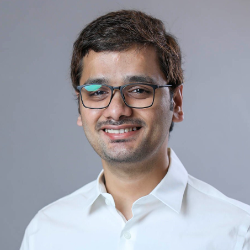 Jagadish Koya, PhD, Senior Scientist, Analytical Sciences, Sanofi
Principal Scientist
Sanofi Grp
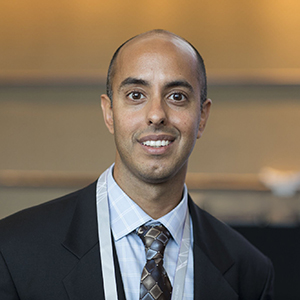 Ajay Kshatriya, CEO, Aizen Therapeutics
CEO
Aizen TherapeuticsMr. Ajay Kshatriya’s career mission is to build science-based companies. Currently, Ajay is the Chief Executive Officer of Aizen Therapeutics, an AI-native biotechnology company pioneering oral peptides to transform the lives of patients and families burdened by chronic immune disorders. He also serves as an Operating Partner at Wilson Hill Ventures, an early stage venture capital firm, where he invests in science-based startups emerging from the California Institute of Technology. Previously, Ajay founded and served as Chief Executive Officer of Biota, a pioneer in environmental genomics, that achieved 8-digit revenue and was acquired by the industrial biotech leader, Novozymes (NZYM) in 2021. Prior to founding Biota, Ajay was an associate in a $100M seed fund spun out from Mohr Davidow Ventures, XSeed Capital, that formed companies from science innovations emerging from Stanford and Berkeley. Ajay began his career at the world-leading biotechnology pioneer Genentech, where he held various positions in product operations, including two product core teams in early stage oncology. Ajay holds a B.S. in chemical engineering from UC Berkeley, an M.S. in engineering from Stanford University, and an MBA from Berkeley-Haas School of Business. He is an active member in Life Science Cares, a non-profit addressing economic and educational empowerment, and was previously a member of YPO, a global organization for CEOs.
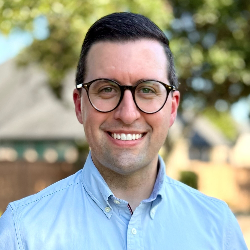 Stephan Kudlacek, PhD, Associate Director, Protein Design, Menten AI
Associate Director
Menten AIStephan Kudlacek is an Associate Director at Menten AI and leads the Platform Application team. He and his team apply the Menten AI platform in permeability-focused macrocyclic peptide design programs, including collaborations with pharma, biotech and academic partners. He has experience in computational design and experimental discovery of both peptides and large macromolecules. He received his PhD in Biochemistry and Biophysics under Brian Kuhlman, who’s work with David Baker was recognized in the 2024 Nobel Prize in Chemistry. He received his B.S in Chemistry and Biochemistry while working with Gregory Weiss at the University of California at Irvine.
 Anand Kumar, PhD, Senior Scientist, Bio Structure and Biophysics, Integrated Drug Discovery, Sanofi
Sr Scientist
SanofiAnand Kumar is a senior scientist at Integrated drug discovery, Sanofi R&D. He got his master’s degree in life sciences from JNU, New Delhi, India. He then joined the Pasteur Institute, Paris to pursue his Ph.D. in structural biology under the guidance of Dr. Nicolas Reyes, where he delved into the emerging field of cryo-EM. His doctoral research focused on understanding the mode of action of anti-CD20 therapeutic antibodies using cryo-EM. He did a one-year post-doc where he solved the structures of Solute Carrier (SLC) transporters. In 2021, he joined Sanofi as a Cryo-EM scientist to support the drug discovery acceleration and cryo-EM platform.
 Mimi Langley, Executive Director, Life Sciences, Cambridge Healthtech Institute
Executive Director, Conferences
Cambridge Healthtech InstituteMimi brings over 25 years of experience producing industry-leading conferences across multiple continents. She joined CHI in 2013 producing biologics and bioprocessing programs and has since been an integral part of CHI's flagship events such as PEGS Boston, PEGS Europe, PepTalk, and the Bioprocessing Summit. She also spearheaded the early international expansions of PEGS to Shanghai and Seoul prior to COVID-19. Earlier in her career, Mimi produced Drug Discovery Technology (DDT) and Bioprocess International with IBC/Informa in the U.S. and Asia. Before relocating to the U.S., she was based in Singapore, where she developed and launched telecom events throughout Asia including Singapore, Japan, China, and India. Prior to producing conferences, Mimi worked at Nippon Yusen Kaisha (NYK) in Singapore and Japan, coordinating marketing strategies along the US-Asia trade routes. Mimi holds a BA from National University of Singapore and an MBA from Washington University in St. Louis.
 Zachary Lanzar, PhD, Research Scientist, John Hopkins University
John's Hopkins UniversityDr. Zachary R. Lanzar is a postdoctoral researcher in Dr. Jamie Spangler's laboratory at John’s Hopkins University, where he engineers cytokine-based proteins to precisely modulate immune responses. Dr. Lanzar’s research integrates expertise in immunology and protein engineering to develop next-generation immunotherapeutics. Previously, as a graduate student in Dr. Christopher Hunter's laboratory, he investigated how cytokine signaling regulates regulatory T cell biology during homeostasis and infection, supported by an NIH F31 Ruth L. Kirschstein NRSA fellowship. Earlier research at Stanford University focused on dendritic cell biology and the characterization of novel immune cell subsets. Dr. Lanzar’s current interests center on engineering cytokine signaling to promote protective immunity while minimizing inflammatory pathology.
 Tyler Lefevre, PhD, Senior Scientist, Biopharmaceutical Development, AstraZeneca
Senior Scientist
AstraZenecaTyler has been with AstraZeneca since 2023, first as a postdoctoral fellow and now as a Senior Scientist in Early Stage Formulation Sciences. Here, he has worked at the intersection of high-throughput developability and analytics, biopharmaceutical development, and in silico developability prediction. Accordingly, he is primarily interested in the developability of therapeutic antibodies, the nature of these properties, and ways to predict them. Prior to his work at AZ, Tyler received his PhD from the University of Michigan, where he studied biochemical signaling downstream of G protein-coupled receptors.
 Vincent Hon Kin Li, PhD, Principal Consultant, CMC Small Molecule, ELIQUENT Life Sciences
Principal Consultant
ELIQUENT Life SciencesVincent Hon Kin Li, PhD, is a CMC and regulatory consulting professional with more than 30 years of pharmaceutical industry experience and five years of FDA regulatory review experience. He has led and advised on CMC development, product strategy, dossier preparation, and regulatory submissions across small molecules, peptides, complex drug products, generics, and global markets, including the United States, Europe, and China. His FDA experience includes the review of IND, NDA, and ANDA submissions. In consulting roles, he has prepared and reviewed INDs, NDAs, ANDAs, meeting packages, post-approval supplements, DMFs, and CMC gap assessments, while advising clients on regulatory strategy, development risk, FDA interactions, GMP readiness, and CMC problem solving. His recent roles include Principal Consultant at Eliquent Life Sciences and FDA Reviewer in the Office of Pharmaceutical Quality.
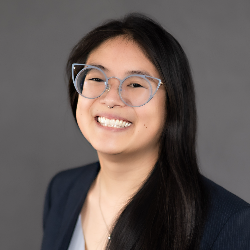 Julie Ming Liang, PhD, Co-Founder & CSO, Opera Bioscience
Co-Founder & CSO
Opera BioscienceJulie Ming Liang, PhD is the co-founder and Chief Scientific Officer at Opera Bioscience. Liang is a synthetic biologist and interdisciplinary scientist combining her chemistry, metabolic engineering, and strain development training to create innovative solutions toward a sustainable future. She received her PhD in biological sciences from the Tullman-Ercek lab in the Chemical and Biological Engineering department at Northwestern University. There, Liang was instrumental in developing Opera Bioscience’s core technology, a gram-negative bacterial protein production platform that reduces the cost and developmental timelines for making reagents, enzymes, and therapeutics. She engineered the type III secretion system (T3SS) to secrete heterologous proteins to eliminate steps in the most expensive part of protein manufacturing: downstream processing and purification. Her research resulted in the creation of constitutively active T3SS strains which do not require inducer in the culture media to activate protein secretion, reducing the total media cost by 28% and the total cost of protein production by up to 10%. Before her role at Opera Bioscience, she was a strain engineer at Amyris, developing yeast strains to ferment sugar into renewable fuels.
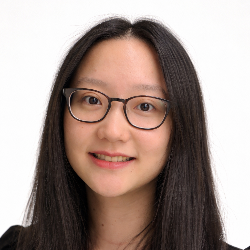 Jing Ling, PhD, Associate Principal Scientist, Discovery Pharmaceutical Sciences, Merck & Co.
Assoc Principal Scientist
Merck & CoJing is an Associate Principal Scientist in Discovery Pharmaceutical Sciences at Merck. She earned her pharmacy degree from Huazhong University of Science and Technology and a Ph.D. in Industrial and Physical Pharmacy from Purdue University. Her work focuses on drug candidate selection and advancement in discovery and early development, applying expertise in solid-state chemistry, solution chemistry, and drug delivery technologies. She is widely recognized as a subject matter expert in oral peptide delivery. Jing has served as Chair of AAPS-BDAG and holds leadership and advisory roles with AAPS PharmSciTech, CRS Skin & Mucosal Delivery, and the Journal of Pharmaceutical Sciences, contributing to scientific advancement across the pharmaceutical field.
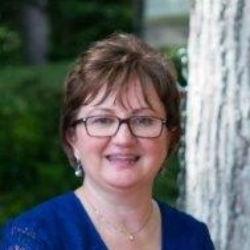 Christina Lingham, Fellow & Executive Director, Conferences, Cambridge Healthtech Institute
Exec Dir Conferences
Cambridge Healthtech InstituteChristina has spent the last 25+ years creating more than 300 events hosted by CHI. She is the creator and driving force behind the PEGS Summit, now in its 18th year, and the Molecular Medicine Tri-conference, now in its 29th year, and has identified and developed emerging topics including bispecific antibodies, genomics, molecular diagnostics, phage display, point-of-care diagnostics, bioinformatics and many more. Christina emphasizes the importance of bringing together the academic and industrial sectors to create environments where innovation is fostered and commercial applications are advanced.
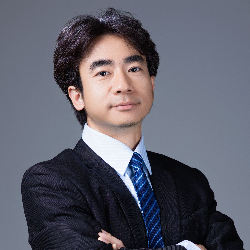 Di Lu, PhD, Vice President, R&D, Fapon Biotech
VP
Fapon BiotechWith over 10 years of R&D and management experience in biopharma, Mr. Di Lu is a key executive at Fapon Biopharma. He has led the establishment of antibody discovery and protein engineering platforms, holds 50+ patents, and has led the development of 20+ new drug programs, including bispecific antibodies and multifunctional proteins.
 Fridtjof Lund-Johansen, Leader, Protein Array Group, Oslo University Hospital
Group leader
Oslo University Hospital, RikshospitaletFridtjof Lund-Johansen, MD, PhD, has a clinical background in hematology. He leads the protein array group at Oslo University Hospital. The main research activities are the development of array-based assays for antibody-antigen interactions and the identification of peptide-HLA complexes that can be targets for T-cell-based immunotherapy. The group combines bead-based arrays, flow cytometry and mass spectrometry for large-scale analysis of antibody-antigen interactions. Array applications include parallel specificity testing of thousands of research antibodies, multiplexed virus serology, measurement of HLA-peptide stability and two-sided deep mutational scanning (DMS) of paratope-epitope interactions. Production and surface display of antibodies and proteins in yeast is a cornerstone of the group’s research.
 Maria P. MacWilliams, PhD, Vice President Molecular Biology, Tavotek Biotherapeutics
Vice President
Tavotek BiotherapeuticsMaria is Vice President of Molecular Biology at Tavotek Biotherapeutics. She has over 30 years’ experience with synthetic protein design and development of novel cell-based assays. Her scientific career spans many diverse areas of science including protein engineering, structure-function studies of DNA recombinases and nucleases, analyses of small molecule-drug complexes, and environmental microbiology. Prior to joining Tavotek, she held positions in both small (IO Biosciences) and large (Janssen Biologics Discovery) biopharma as well as in academia (U of Wisconsin-Parkside; Seton Hall U). Maria received her B.S. in Biology from Saint Joseph’s University (Philadelphia), her Ph.D. in Microbiology from the University of Illinois at Urbana-Champaign (UIUC), and completed post-doctoral training at UIUC and the University of Basel Biocentre (Switzerland).
 Jody M. Mason, PhD, Professor, Biochemistry, University of Bath
Professor
Univ Of BathJody Mason is Professor of Biochemistry in the Department of Life Sciences at the University of Bath and Chief Scientific Officer of Revolver Therapeutics. His research focuses on discovering peptide-based tools and therapeutics for challenging intracellular targets, particularly transcription factors and other protein–protein interactions. His group develops live-cell peptide screening platforms, including Transcription Block Survival and protein-fragment complementation approaches, alongside chemical and enzymatic strategies for constraining and modifying peptides and proteins inside cells. These approaches are being applied to cancer-associated transcription factors and misfolded proteins linked to neurodegenerative disease. He is a Fellow of the Royal Society of Chemistry and the Royal Society of Biology.
 Rinchu Mathew, PhD, Principal Scientist, Gilead Sciences
Principal Scientist
Gilead SciencesRinchu Mathew is a Principal Scientist in the Protein Therapeutics organization at Gilead Sciences, where he primarily supports the purification of therapeutic proteins at the research stage. With extensive experience in therapeutic protein purification and protein analytics, his work focuses on enabling the advancement of biologics from discovery through development by applying innovative purification strategies and data-driven approaches to improve product quality and process efficiency. He collaborates across multidisciplinary teams to address complex challenges in protein production and developing protein therapeutic candidates. Rinchu is also interested in leveraging computational tools and emerging technologies to accelerate biologics research and development. He is based in Foster City, California.
 Henry Maun, PhD, Principal Scientific Researcher, Department of Early Discovery Biochemistry, Genentech
Principal Scientific Researcher
Genentech
 Michelle Mazzeo, Staff Engineer, Regeneron Pharmaceuticals Inc.
Staff Engineer
Regeneron Pharmaceuticals IncMichelle Mazzeo is a Staff Engineer at Regeneron Pharmaceuticals, with a BS in Chemical Engineering and an MS in Bioengineering from Lehigh University. With over eight years of experience at Regeneron, she leads an Early Stage Process Development Analytics team within the Preclinical Manufacturing and Process Development (PMPD) department and serves as the PMPD lead for the Alternative Format Workshop Team being discussed in today’s presentation.
 Katherine McCoy, PhD, Computational Structural Biologist, Novartis
Computational Structural Biologist
NovartisExpert II Data Scientist in the Bioinformatics & Biotheraputic Modelling (BBM) team at Novartis, working on structural analysis to advance biological therapeutics + mentoring others in computational chemistry & AI.
I work on all kinds of proteins but specialize in antibody structural analysis, as well as combining methods (AI, computational chemistry, molecular modeling, molecular dynamics, in silico mutational scans, in silico developability assays, MOE, Schrodinger, etc.) into custom pipelines.
 Karen McDonald, PhD, Professor, Chemical Engineering, University of California Davis
Professor
University of California DavisDr. McDonald is a Distinguished Professor Emerita in Chemical Engineering at the University of California, Davis. Professor McDonald’s research focusses on the development of efficient, environmentally friendly, cost-effective, and globally deployable biomanufacturing approaches for the production of recombinant proteins. Her team’s research integrates synthetic biology in plants with bioprocess engineering, including novel plant viral expression systems, upstream and downstream plant-based technologies to produce recombinant proteins, and computer-based process models and techno-economic analyses (TEAs) for a variety of plant-based biomanufacturing facilities. She is the PI for an NSF Future Manufacturing grant (EPiC – Engineered Plants in Culture), and a Co-PI for the NSF-funded Bioindustrial Engineering for a Sustainable Tomorrow (BEST) NRT graduate training program. She is a Fellow of the American Institute of Chemical Engineers and was awarded the 2022 D.I.C. Wang award for Excellence in Biochemical Engineering and the 2026 Biotechnology and Bioengineering Elmer Gaden award.
 Megan A. McSweeney, PhD, Research Scientist, Jewett Lab, Stanford University
Research Scientist
Stanford UniversityMegan is a postdoctoral scholar in the Jewett Lab at Stanford University. Her research focuses on using cell-free protein synthesis to study and engineer the bacterial ribosome. During her PhD at Georgia Tech in the Styczynski Lab, she used cell-free expression systems to engineer low-cost, point-of-care biosensors for protein and RNA detection.
 Simon A. Messing, PhD, Scientist II, Frederick National Lab & Protein Expression Lab, Leidos Biomedical Research, Inc.
Scientist III
Leidos Biomedical Research IncDr. Messing received his Ph.D from Johns Hopkins School of Medicine in 2008, studying structural biology in the lab of Mario Amzel. While in the lab, he solved the structures of viviparous14, a dioxygenase in maize and key enzyme in abscisic acid production, and the structure of the RNA, pyrophosphohydrolase BdRppH, from Bdellovibrio bacteriovorus involved in RNA decapping. He subsequently moved on to the Laboratory of Fred Dyda at NIDDK, where he worked on transposases and solved the structure of TnpA(REP) from E. coli. In 2015, he joined the Protein Expression Laboratory at Frederick National Labs, where he purifies difficult-to-produce protein reagents for the RAS Initiative.
 Theo D. Michels, PhD, Senior Research Analyst, Content, Drug Hunter Inc.
Sr Research Analyst
Drug Hunter IncTheo Michels, PhD is a Senior Research Analyst at Drug Hunter. During the first decade of his career in R&D, Theo worked at eFFECTOR Therapeutics, Gossamer Bio, and Belharra Therapeutics. During this time, he contributed to the discovery of compounds that have entered clinical trials and helped move multiple programs through the early stages of drug discovery in both oncology and immunology. Prior to his time in industry Theo completed his PhD at UC Irvine and conducted postdoctoral studies at Scripps Research. He enjoys contributing to the wealth of focused, insightful information Drug Hunter provides to the scientific community.
 Carolyn Mills, PhD, Assistant Professor, Bioengineering, UC Santa Barbara
Assistant Professor
UC Santa BarbaraDr. Carolyn Mills is an Assistant Professor of Bioengineering at the University of California, Santa Barbara (UCSB). She earned her PhD in Chemical Engineering from the Massachusetts Institute of Technology (MIT) and completed postdoctoral training at Northwestern University. Her research at UCSB focuses on using protein engineering to control spatial organization in biological systems with applications in plastic remediation and oral vaccine delivery, leveraging experience with high-throughput workflow development and cell-free protein synthesis (CFPS) platforms. In her work with the NSF ExFAB Biofoundry, Dr. Mills couples cell-free technologies and automated workflows to enable study of oxygen-sensitive proteins from non-model organisms.
 Yogesh Kumar Mishra, PhD, Scientific Associate Director, Process Development, Amgen Inc.
Scientific Associate Director
Amgen IncDr. Yogesh Kumar Mishra is a Scientific Associate Director at Amgen, leading Pre-Pivotal Attribute Sciences teams responsible for advancing molecules from early development through First-in-Human studies while enabling digital transformation and data-driven decision making. Over his career, he has led multidisciplinary teams across analytical sciences, process development, manufacturing support, and bioprocess innovation in global biopharmaceutical organizations including Amgen, Roquette, Biological E, and Biocon. Dr. Mishra holds a PhD in Bioprocess Technology from the Institute of Chemical Technology, Mumbai, and is passionate about scientific innovation, talent development, and accelerating therapies to patients.
 Paul Moore, PhD, CSO, Zymeworks
CSO
Zymeworks Inc, IncOver 20 years of experience working in biotech, coordinating efforts focused on the discovery and development of novel biologic-based therapies. I began my biotechnology career at Human Genome Sciences, where directed genomic-based target discovery programs and the preclinical development of various protein and mAb-based therapeutics for the treatment of cancer, metabolic, and autoimmune diseases. Notably, these efforts led to the discovery of BLyS as a B-cell survival factor providing the basis for the development of Benlysta for the treatment for lupus. At MacroGenics, leads a research group dedicated to the discovery, preclinical development, and clinical translational biology of antibody-based therapeutics including Fc-optimized mAbs and bispecifics for cancer or autoimmune disease through harnessing of the host immune system. Obtained PhD from University of Glasgow and performed post-doctoral work at the Roche Institute of Molecular Biology; co-authored over 70 peer-reviewed manuscripts and 40 issued US patents.
 Deborah Moore-Lai, PhD, Vice President, Protein Sciences, ProFound Therapeutics
Vice President
ProFound TherapeuticsDeborah joined ProFound Tx in 2024 as the VP of Protein Sciences to lead protein and antibody development campaigns. Prior to ProFound Tx, Deborah was with Abcam for 5 years, leading the Protein Development and Sequencing Platforms, responsible for protein and sequencing needs for Abcam. Prior to Abcam, she spent 16 years working in both the reagent and therapeutic spaces. For many years she led Antibody Production at Cell Signaling Technology. From there she joined Merck Research Laboratories, where she led the team responsible for antigen & antibody generation within Biologics Discovery.
 Robert L. Moritz, PhD, Professor and Head of Proteomics Research, Institute for Systems Biology
Professor and Head of Proteomics Research
Institute for Systems BiologyDr. Robert Moritz is Professor and Head of Proteomics Research at the Institute for Systems Biology (ISB), Seattle, and an internationally recognized leader in proteomics, proteogenomics, and protein function discovery. Over a career spanning more than four decades in Australia and the United States, he has pioneered technologies and resources that have transformed protein identification, biomarker discovery, drug target characterization, and systems biology research. Dr. Moritz has authored more than 340 peer-reviewed publications, numerous book chapters, and multiple patents, and has played a central role in advancing the global proteomics community through leadership positions including Chair of the Human Proteome Project (HPP) and Vice President of the Human Proteome Organization (HUPO). He founded the HUPO HPP Grand Challenge to define a function for every protein and continues to drive innovation through academic leadership, entrepreneurship, scientific advisory roles, and the development of next-generation proteomics technologies. His work has contributed fundamentally to expanding and functionally annotating the human proteome.
 Marco Mravic, PhD, Assistant Professor, Department of Integrative Structural and Computational Biology, Scripps Research Institute
Assistant Professor
Scripps Research InstituteDr. Mravic is a Latino-American scientist receiving BS from UCLA in Chemical Engineering and PhD from UCSF in Biophysics with Bill DeGrado. Mravic started his lab at Scripps after PhD as a faculty and is Assistant Professor in Dept Integrative Structural and Computational Biology. The lab uses computational approaches to understand and pro-actively engineer the principles of stability and recognition for molecules in the lipid environment. Major work includes de novo design of transmembrane protein assemblies to test folding principles and engineering synthetic proteins that recognize and regulate natural membrane proteins in the cell of increasing complexity to dissect mechanism or as therapeutics. He of Puerto Rican heritage and passionate about providing opportunities in science for those with disadvantages.
 Nam Nguyen, PhD, Senior Principal Scientist, Therapeutic Proteins, Regeneron Pharmaceuticals Inc.
Sr. Principal Scientist
Regeneron Pharmaceuticals IncNam is a senior principal scientist and group leader of the Membrane Technologies Group at Regeneron Pharmaceuticals. His research background is in ion channel structure biology and was among the first to determine the structure of the mitochondrial calcium uniporter, providing insights into its mechanism of calcium transport and selectivity, and demonstrated the application of saposin towards nanodisc production. Since joining Regeneron in 2019, Nam has continued to apply his expertise in biochemistry and structural biology towards the production of a range of cell surface receptors – ion channels, transporters, tetraspanins, GPCRs, and protein complexes – to enable therapeutic antibody discovery and structural studies.Nam is a senior principal scientist and group leader of the Membrane Technologies Group at Regeneron Pharmaceuticals. His research background is in ion channel structure biology and was among the first to determine the structure of the mitochondrial calcium uniporter, providing insights into its mechanism of calcium transport and selectivity, and demonstrated the application of saposin towards nanodisc production. Since joining Regeneron in 2019, Nam has continued to apply his expertise in biochemistry and structural biology towards the production of a range of cell surface receptors – ion channels, transporters, tetraspanins, GPCRs, and protein complexes – to enable therapeutic antibody discovery and structural studies.
 Valeria G. Nicolini, PhD, Head, Pharma Research & Early Development, F. Hoffmann-La Roche AG
Head
F Hoffmann La Roche AGValeria G. Nicolini is a Senior Principal Scientist at the Roche Innovation Center Zurich (RICZ) with over 15 years of experience in drug development. As a Research Project Leader, she has guided multiple drug candidates from preclinical design to IND submission and participated in cross-functional due diligence for asset acquisitions. Her extensive pharmacology expertise includes projects focused on monoclonal antibodies, T-cell targeted bispecifics, and cytokine and costimulatory fusion proteins. She has contributed to over 20 patents and 40 peer-reviewed publications.
 Atsushi Ohta, PhD, Head of Modality Technology, Chugai Pharmaceutical Co., Ltd.
Head
Chugai Pharmaceutical Co. Ltd.,Atsushi Ohta received a Ph.D. from The University of Tokyo, Japan, in 2009. He joined Chugai Pharmaceutical Co. Ltd., in 2009 and has been working for cyclic peptide drug discovery. He had also been participating in developing LUNA18 currently in a clinical trial.
 Amelia Paine, PhD, Scientist I, Analytical Development, Ultragenyx Pharmaceutical Inc.
Scientist I Analytical Dev
Ultragenyx Pharmaceutical IncDr. Amelia Paine is a biophysicist with ten years of experience applying quantitative approaches to complex biological systems. She is an Analytical Development Scientist at Ultragenyx, where she specializes in the biophysical characterization of AAV gene therapy vectors and has contributed to multiple biologics license applications. She received her PhD in Applied Physics from Harvard University, where her work combined experimental and computational approaches to investigate viral degradation pathways under the mentorship of Prof. Vinothan Manoharan. Dr. Paine has also conducted research using molecular dynamics and mechanistic modeling at the Computational Systems Biology Group at IBM Research and the Center for the Physics of Living Systems at MIT.
 Miso Park, PhD, Associate Research Professor, Cancer Biology and Molecular Medicine, Beckman Research Institute of City of Hope
Associate Research Professor
Beckman Research Institute of City of HopeMiso Park is an Associate Research Professor at City of Hope, where she leads research programs in antibody engineering and cancer immunotherapy. She earned her PhD in Chemical Engineering from the University of Delaware and has developed deep expertise in the design and optimization of therapeutic antibodies and next-generation biologics. She has directed multiple cross-functional projects, advancing candidates from concept through in vivo validation. Dr. Park has contributed to peer-reviewed publications and patent filings in therapeutic protein engineering and is focused on developing innovative T cell engager platforms for cancer treatment.
 Anthony Partridge, PhD, Senior Director, Biochemical and Cellular Pharmacology, Genentech
Senior Director
GenentechAnthony Partridge joined Genentech in January 2023 as a Senior Director, Biochemical and Cellular Pharmacology, where he leads small-molecule discovery efforts with a focus on oncology.
Previously, Anthony served as Vice President of Discovery Biology and Pharmacology at Roivant Sciences. There, he led a multidisciplinary group spanning program biology, biochemical and cellular assay development, biophysics, protein production, and structural biology. His team advanced a range of small-molecule and targeted protein degrader programs in oncology and autoimmune disease.
From 2014 to 2021, Anthony was a Senior Principal Scientist at MSD Singapore, where he led early discovery programs with an emphasis on targeted protein degradation, macrocyclic peptides, and mRNA-based approaches. Before joining MSD, he served as Senior Director of Biology at Pharmaron Beijing, leading teams responsible for assay development and validation, screening, and the establishment of a world-class compound management facility.
Earlier in his career, Anthony was an In Vitro Pharmacology Capability Lead at Merck, where he pioneered collaborative models with pharmacology-focused CRO partners.
He also served as a Senior Scientist in the Pharmacology group at Merck Montreal and began his industry career at Élan Pharmaceuticals in San Francisco.
Anthony received his B.Sc. from the University of Guelph in 1998 and his Ph.D. from the University of Toronto in 2003. He completed his postdoctoral training at Scripps and the University of California, San Diego, from 2003 to 2006.
 Ryan Peckner, PhD, Forward-Deployed Scientist, Chai Discovery
Forward-Deployed Scientist
Chai DiscoveryAs a Forward-Deployed Scientist at Chai Discovery, Ryan Peckner collaborates with Chai's partners in drug discovery to enable clinical applications of de novo biologics design. Previously, he was the head of machine learning at Seismic Therapeutic, where he led a team focused on applying ML to develop next-generation classes of non-immunogenic protein therapeutics. He earned his PhD in theoretical mathematics at Princeton University in 2015 and completed his postdoctoral training at the Broad Institute with an emphasis on the intersection of proteomics, genomics, and machine learning. Since entering biotech in early 2019, he has focused on developing and applying new machine learning techniques to structural biology, immunology, and drug development.
 Tatjana Petojevic, PhD, Director, Protein Sciences, Rondo Therapeutics
Director
Rondo TherapeuticsTatjana leads the Protein Sciences team at Rondo Therapeutics, an IO biotech company developing novel therapeutics for the treatment of solid tumors. Her team focuses on the development of antibodies advancing drug candidates from discovery stage to IND enabling studies. Tatjana has over a decade of experience in protein biochemistry and has previously worked at several biotech companies including Alector, Synthekine, Caribou Biosciences, and Genentech in a variety of research and therapeutic areas.
 Pavel A Pevzner, PhD, Professor, Computer Science & Engineering, University of California San Diego
Prof
Univ of California San DiegoPavel Pevzner is Ronald R. Taylor Chair and Distinguished Professor of Computer Science and Engineering at University of California, San Diego. He holds Ph.D. from Moscow Institute of Physics and Technology, Russia. He holds honorary doctorates from Simon Fraser University and Tel Aviv University. He was named Howard Hughes Medical Institute Professor in 2006. He was elected the Association for Computing Machinery (ACM) Fellow, the International Society for Computational Biology (ISCB) Fellow, the American Association for Advancement in Science (AAAI) Fellow, and the European Academy of Science (Academia Europaea) member. He was awarded the ISCB Senior Scientist Award, and the ACM Kanellakis Theory and Practice Award. Dr. Pevzner authored textbooks "Computational Molecular Biology: An Algorithmic Approach," "Introduction to Bioinformatics Algorithms" (with Neal Jones), “Bioinformatics Algorithms: an Active Learning Approach†(with Phillip Compeau), and “Learning Algorithms through Programming and Puzzle Solving†(with Alexander Kulikov). He co-developed the “Bioinformatics†and “Data Structure and Algorithms†online specializations on Coursera with over a million enrollments in the last decade.
 Chester Pham, PhD, Senior Scientist, Protein Sciences, Kite Pharma, a Gilead company
Senior Scientist
Kite Pharma, A Gilead CompanyChester Pham is a Senior Scientist in the Protein Sciences Group at Kite Pharma. He earned his Ph.D. in Chemical Engineering and Applied Chemistry from the University of Toronto, where his doctoral research focused on protein engineering, structural biology, and synthetic biology. At Kite, he works at the intersection of computational and experimental protein science, using structure- and AI-guided design strategies to advance reagent production, CAR-T construct design, and binder optimization.
 Nicole M. Piche-Nicholas, Senior Principal Scientist, BioMedicine Design, Pfizer
Senior Principal Scientist
Pfizer IncNicole Piché-Nicholas is a Senior Principal Scientist in BioMedicine Design, Worldwide Research and Development at Pfizer, with more than 25 years of experience in antibody engineering and biologics discovery. She leads the discovery and optimization of therapeutic antibodies, multispecifics, and T-cell-engaging molecules and provides scientific leadership for cross-functional biotherapeutics programs advancing differentiated medicines for autoimmune disease, cancer, and cardiovascular disorders. Prior to joining Pfizer in 2009, she worked at Wyeth Research developing antibody engineering and protein expression technologies. Nicole holds an M.A. in Pharmacology from Boston University School of Medicine and an M.S. in Biochemistry from the University of New Hampshire and is an inventor on multiple patents and coauthor of numerous scientific publications.
 Novalia Pishesha, PhD, Assistant Professor, Immunology, Harvard Medical School
Assistant Professor
Harvard Medical School
 Simon Plyte, PhD, CSO, R&D, Biomunex Pharmaceuticals
Chief Scientific Officer
Biomunex PharmaceuticalsDr. Simon Plyte has over 20 years of experience in research and development in the Pharma industry, both in Big Pharma and small Biotech. He has worked on the discovery and development of NCEs and Biologics, predominantly in the field of Oncology but has also worked in cardiovascular, neurodegeneration, and metabolic disease drug discovery. For the last 12 years, he has focused on Biologics drug discovery, using mono- and multi-specific formats predominantly in the field of Immune Oncology.
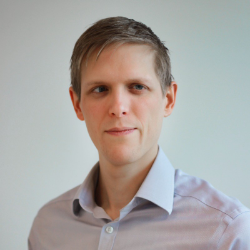 Ben Porebski, PhD, Co-Founder and CEO/CTO, Sortera Bio
Co-Founder, CEO/CTO
Sortera BioDr Ben Porebski is a co-founder and the CEO/CTO of Sortera Bio, which he spun out of the MRC LMB in early 2024, from where he worked with Phil Holliger on developing a novel high throughput drug discovery technology called Deep Screening. Ben’s research spans the fields of computational and experimental protein engineering, machine learning, and technology development, typically working at the intersection of multiple scientific and engineering disciplines.
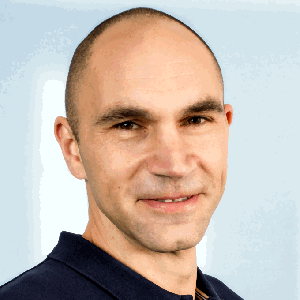 Tilen Praper, PhD, Associate Director, Process Analytical Science, Novartis Pharmaceuticals
Associate Director
Novartis PharmaceuticalsTilen Praper holds a PhD in Biochemistry and Molecular Medicine from the Faculty of Medicine at the University of Ljubljana. He has over 15 years of experience working in various roles within Analytical Development at Novartis and currently serves as the Associate Director of Analytical Experts. In addition to his work at Novartis, Tilen is a guest lecturer at the Faculty of Pharmacy, where he teaches about CQA assessment and analytical methods for biotherapeutics. Outside of his professional life, he enjoys hiking, rock climbing, and tourist cycling.
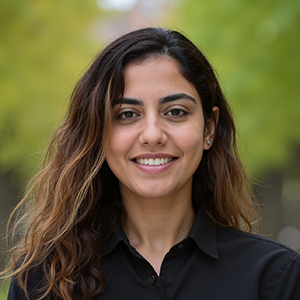 Ahlam N. Qerqez, PhD, Scientist Lab Leader, Protein Engineering, Denali Therapeutics Inc.
Scientist Lab Leader
Denali Therapeutics IncDr. Qerqez earned her bachelor's degree in Biomedical Engineering from the University of Texas at Austin, where she conducted research as an undergraduate under the guidance of Dr. George Georgiou. During this time, she focused on engineering enzymes to deplete tumor metabolites. She went on to complete her Ph.D. in Chemical Engineering, also at UT Austin, in Dr. Jennifer Maynard's lab. Her doctoral research involved developing antibodies targeting myocilin, engineering CMV-specific T-cell receptors (TCRs) for affinity and bispecific evaluation, and designing potent Fc molecules to counter viral escape mechanisms associated with CMV infection. Following her Ph.D., Dr. Qerqez joined Denali Therapeutics, where she works on advancing next-generation therapeutics for central nervous system (CNS) disorders. Her work involves the development of engineered enzymes and antibodies, using the Transport Vehicle (TV) platform to enhance drug delivery to the brain.
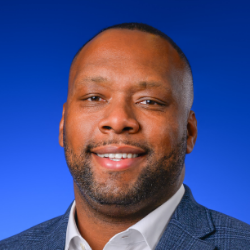 Danjuma Quarless, PhD, Senior Director, AI & Biotech Innovation, Lilly Ventures, Eli Lilly and Company
Senior Director - AI & Biotech Innovation
Eli Lilly & CompanyDanjuma Quarless is Senior Director of AI Innovation at Lilly Ventures, the strategic venture arm of Eli Lilly, where he focuses on early-stage investing at the intersection of AI and drug development. Danjuma's career spans computational biology, corporate development, and strategic venture investing in biopharma. He began his career as a computational biologist, leading analytics for major population genomics initiatives including the UK Biobank and Genomics Finland. He subsequently moved into therapeutics investing, specializing in early-stage biotech and ecosystem engagement. Danjuma holds a PhD in Biomedical Sciences from UC San Diego and an MBA from the Kellogg School of Management at Northwestern University.
 Shivkumar Raidas, MS, Senior Scientist, Analytical Chemistry, Regeneron Pharmaceuticals
Senior Scientist
Regeneron PharmaceuticalsShivkumar Raidas is a Senior Scientist at Regeneron Pharmaceuticals, Inc., where he focuses on advancing analytical strategies for the characterization of biotherapeutics. Based in Tarrytown, New York, he brings over 17 years of experience in analytical chemistry, with deep expertise in mass spectrometry–based proteomics and glycoproteomics.
His work centers on developing and applying advanced LC–MS methodologies to enable high-throughput, robust, and sensitive analysis of complex biologics, supporting discovery, development, and process characterization. He has contributed to innovative workflows in peptide mapping, glycan analysis, and proteomic profiling, and continues to explore emerging technologies to enhance analytical performance and scalability.
Shivkumar holds a Master of Science in Pharmacology from the University of Vermont and a Bachelor of Technology in Industrial Biotechnology from Anna University, Chennai. He is an author of several peer-reviewed publications in journals such as Journal of Proteome Research and Molecular & Cellular Proteomics, and actively contributes to the scientific community through research and collaboration.
 G. Jonah Rainey, PhD, Associate Vice President, Eli Lilly and Company
Associate Vice President
Eli Lilly & Co.Jonah Rainey holds a PhD in Biochemistry from Tufts University and completed postdoctoral training at the University of Wisconsin and the Salk Institute. He has engaged in discovery, research, and development of bispecific antibodies for more than 15 years. He is an inventor on several patents describing novel bispecific platforms and current clinical candidates that exploit these platforms as well as an author on almost 30 publications. Jonah contributed to research and early development leading to multiple clinical candidates from Phase I and through approved products and led many advanced preclinical programs in oncology, infectious disease, autoimmunity, and other therapeutic areas. Previous industry experience includes MacroGenics, MedImmune/AZ, Oriole Biotech, Gritstone Oncology, and Alivamab Discovery Services. Currently, Jonah is a Senior Director in Protein Science at Eli Lilly & Co.
 Mohsen Rajabi Abhari, PhD, Director, Scientific Governance PK Sciences Drug Disposition, Novartis
Director, PK Sciences Governance
NovartisMohsen Rajabi is the Scientific Director in the Translational Medicine, Pharmacokinetic Sciences Group at Novartis. Before joining Novartis, Mohsen worked at the FDA where he provided scientific expertise on clinical pharmacology and immunogenicity issues related to biosimilar and therapeutic biologics. He led collaborative initiatives to develop and establish clinical pharmacology and immunogenicity guidance and policies. Mohsen also conducted inspection of bioanalytical and clinical studies in support of regulatory submissions. Mohsen received his Ph.D. in Peptide Chemistry from the Department of Chemistry and Biochemistry, University of Maryland. He researched the role of defensins in innate and adaptive immune responses to microbial infection. This work was the basis of several publication about the multifaceted biological activity of defensins.
 Manoj Rajaure, PhD, Associate Principal Scientist, AstraZeneca
Associate Principal Scientist
AstraZenecaDr. Manoj Rajaure is an Associate Principal Scientist at AstraZeneca, where he leads the development of high-throughput molecular biology technologies to accelerate biologics discovery. His work focuses on automation, cloning, and innovative DNA-based platforms that enable rapid generation and evaluation of therapeutic antibodies. With expertise spanning molecular biology, bacteriophage engineering, and platform development, Dr. Rajaure is passionate about translating emerging technologies into scalable solutions that improve drug discovery. At PepTalk, he will share insights into advancing high-throughput workflows and next-generation DNA technologies for biologics research.
 Anusuya M. Ramasubramanian, PhD, Head of Research & Lead Scientist, LAUNCHPAD/IMPACT2, Dana-Farber Cancer Institute
Head of Research & Lead Scientist
Dana Farber Cancer InstituteAnusuya Ramasubramanian, PhD, is a Lead Scientist and Head of Research for the Lab for Antibody and Nanobody Phage Display & Discovery (LAUNCHPAD) and the Immunotherapy Platform for Antibody and CAR Therapeutics Discovery and Translation (IMPACT2) at Dana-Farber Cancer Institute. Through the LAUNCHPAD and IMPACT2 centers, she leads collaborative efforts to accelerate the development and translation of antibody-based cancer immunotherapies using integrated platforms for antibody discovery, engineering, high-throughput screening, and molecular optimization. Dr. Ramasubramanian received her BS in Biomechanical Engineering from Stanford University and her PhD in Bioengineering from the University of California, Berkeley, and the University of California, San Francisco (UCSF), where she trained with Drs. David Schaffer and Kevin Healy. She subsequently completed industry-sponsored postdoctoral research in the laboratory of Dr. David A. Weitz at Harvard University. Prior to joining Dana-Farber, Dr. Ramasubramanian was a Senior Scientist at Sanofi, where she led preclinical antibody development programs and established new technology platforms for antibody discovery and engineering, including droplet microfluidics platforms, organoid-based screening systems, and IgG-like bispecific formats. Her current research focuses on developing enabling technologies that accelerate the discovery, engineering and translation of biologics and cell therapies for cancer.
 Garrett Rappazzo, PhD, Scientist, Platform Technologies, Adimab
Senior Scientist
Adimab LLCAs a scientist at Adimab, my work focuses on identifying and engineering protein therapeutics that target peptide-HLA (pHLA) complexes. As part of this work, my team has developed a novel yeast-based platform to engineer soluble T cell receptors (TCRs) as an alternative to antibody-based therapeutics in targeting pHLA complexes. Prior to joining Adimab, I completed my doctoral research at MIT in Prof. Michael Birnbaum’s lab, where I worked to characterize the peptide-binding repertoires of Class II HLA proteins.
 Arthur Rudolph, PhD, Senior Data Scientist, Data Strategy and Digital Transformation, AbbVie Inc.
Senior Data Scientist
AbbVie Inc.Arthur Rudolph, PhD is a Senior Data Scientist at AbbVie, where he focuses on ML/AI applications in Process Sciences. He brings over a decade of experience at the intersection of bioprocess science and data science, with deep expertise in biologics upstream process development, hybrid mechanistic/ML modeling, cloud-based data platform architecture, and statistical analysis.
 Richard R. Rustandi, PhD, Senior Principal Scientist, Vaccine Analytical Research, Merck & Co.
Senior Principal Scientist
Merck & CoDr. Richard R. Rustandi is a Senior Principal Scientist in Vaccine Research Analytical Development at Merck Co. He obtained his BS in Chemistry from University of Hawaii and his MS and PhD in Chemistry from University of Chicago. He did his postdoctoral work in Institute of Physical Chemistry at University of Zurich, Switzerland and continued at Harvard Medical School and finally at University of Maryland studying protein structure using multi-dimensional NMR spectroscopy. His current research focus is the development and application of various capillary electrophoresis and other separation techniques in vaccines and therapeutic proteins. The main emphasis is on capillary western advancement towards streamlining the analytical development of vaccine products from end to end including host cell proteins. Another area of focus is receptor-antigen binding using various methods such as ACE, SPR, automated ELISA, ITC, size-based separation, Fluidity-diffusion, as well as benchtop NMR and EPR spectroscopies. He is currently an Associate Director at CASSS, Member of Editorial Board for Electrophoresis, CE Pharm committee 2012-2020, Scientific committee for LACE 2021-present.
 Robert Salmon, PhD, Head, Bioprocess, Constructive Bio
Head
Constructive BioRob is Head of Bioprocess at Constructive Bio, where he leads the development and scale-up of novel microbial strains for the production of peptides and proteins containing non-canonical amino acids and their subsequent downstream processing. Rob has extensive experience across the full bioprocess development workflow, gained through roles at multiple biotechnology companies in the UK. Most recently, he led the scale-up and manufacture of Johnson Matthey’s enzyme portfolio, delivering processes from development through to production. He holds a PhD in microbial physiology and protein biochemistry from the University of Sheffield.
 Topia Sarfaraj, Group Leader, Small Scale Antibody Production and Automation, UCB Pharma
Group Leader
UCB PharmaSarfaraj Topia is Group Leader of Small-Scale Antibody Production & Automation at UCB Pharma, where he leads a team focused on developing and implementing automated workflows for antibody production, product quality check and logistics. Sarfaraj has built extensive expertise in bioprocessing, early-stage therapeutic development, and laboratory automation. His work has been recognized through contributions to high-impact antibody research and the successful integration of cutting-edge technologies to streamline therapeutic discovery pipelines. At UCB, he has overseen the deployment of innovative automated platforms that accelerate DNA-to-protein workflows, improve reproducibility, and expand high-throughput capabilities—helping bridge scientific innovation with scalable solutions. Sarfaraj brings a strong track record of scientific leadership, process optimization, and technology implementation, making him well-positioned to share insights on the future of automation in biologics research.
 Riley Schaefer, Experienced Scientist, Johnson & Johnson Innovative Medicine
Experienced Scientist
Johnson & Johnson Innovative MedicineRiley Schaefer is currently an Experienced Scientist in API-Proteins Development at Johnson & Johnson. In this role, he is responsible for biophysical product quality analysis through capillary electrophoretic, liquid chromatography, and mass spectrometry methods for the purpose of selecting a manufacturing cell line to advance biotherapeutic programs to clinical development. Through this work, Riley has supported early development for life changing therapies across multiple therapeutic areas to treat a variety of indications. Riley started with Johnson & Johnson Innovative Medicine in 2023 while earning a Bachelors of Science in Biochemistry from the University of the Sciences in Philadelphia. He currently serves as the subject matter expert for imaged capillary isoelectric focusing mass spectrometry and advances structured data initiatives alongside the Data Digitization team.
 Helena Schulz-Mirbach, PhD, Senior Postdoctoral Researcher, Jewett Lab, Department of Bioengineering, Stanford University
Senior Postdoctoral Researcher
Stanford UniversityI am a postdoctoral researcher in the group of Michael C. Jewett at Stanford University. My areas of expertise are metabolic engineering, biochemistry, and synthetic metabolism for sustainable bioconversions. During my PhD at the Max Planck Institute for Terrestrial Microbiology, I worked on realizing synthetic CO2 fixation in the model microbe E. coli and got curious about ways to interface machine learning with wet-lab experimentation to accelerate biological design. Currently, I am focusing on the combination of cell-free protein synthesis and agentic artificial intelligence to build a co-scientist guiding expression optimization campaigns.
 Franziska Seeger, PhD, Senior Director, AI for Drug Discovery, Genentech Inc.
Sr Dir AI for Drug Discovery
Genentech IncDr. Franziska Seeger is a protein biophysicist who uses computational modeling to address challenges in biomedicine. Her doctoral research at the University of Maryland Baltimore County and Lawrence Berkeley National Laboratory helped explain the activation mechanism of a key drug target for cardiovascular diseases. She then pursued postdoctoral research with David Baker at the Institute for Protein Design, where she engineered new inhibitors against autoimmune disease targets. Dr. Seeger has consulted on protein biophysics and design, and has worked in protein engineering and machine learning at organizations like Amazon and Novo Nordisk.
Currently, Dr. Seeger leads a strategic group focused on applying advanced machine learning techniques to Roche’s antibody portfolio within the Artificial Intelligence for Drug Discovery Department at Genentech.
Outside of work, Dr. Seeger enjoys outdoor activities such as running, mountain biking, (backcountry) skiing, horseback riding, and hiking/backpacking. Indoors, she practices yoga and meditation, and enjoys cooking and reading.
https://www.linkedin.com/in/fseeger/
https://www.youtube.com/watch?v=SIdS8bUZT7c&ab_channel=LadyScientistPodcast
https://www.bakerlab.org/index.php/2019/03/27/franziska-seeger-profile/
 Jean Carlos Serrano, PhD, Principal Scientist, Clinical Pharmacology and Pharmacometrics, Johnston & Johnson Innovative Medicine
Principal Scientist
Johnston & Johnson Innovative MedicineJean Carlos Serrano, Ph.D., is a Principal Scientist in Clinical Pharmacology and Pharmacometrics at Johnson & Johnson, where he leads modeling efforts to support clinical development across immunology and oncology programs. He earned his Ph.D. and M.S. in Mechanical Engineering from MIT and a B.S. from the University of Puerto Rico. His expertise spans mechanistic and data-driven modeling, quantitative imaging, microfluidics, and translational biomedical research across autoimmune disease, oncology, vascular biology, and advanced therapeutics. Before joining Johnson & Johnson, he held research and engineering positions at Harvard University, the Wyss Institute, and Cellino Biotech, developing quantitative frameworks for CAR-T therapies, lipid nanoparticle therapeutics, organoid systems, and iPSC bioprocessing.
 Madhu Sevvana, PhD, Principal Scientist, Large Molecules Research, Sanofi
Principal Scientist
SanofiDr. Madhu Sevvana is a Principal Scientist at Sanofi specializing in computational biologics design/engineering and structural biology. Her pioneering work includes methods development to resolve challenging 3D structures, rapid CryoEM structure determination for deciphering mechanism of action and epitope mapping of antibodies against glycosylated viral and human antigens, and implementing innovative antigen/antibody design protocols that integrate structural biology and physics-based methods with advanced AI/ML tools. Prior to Sanofi, Dr. Sevvana worked on diverse viruses at Purdue University, where she deciphered the highest resolution structure of Zika virus and led structure-guided antigen design for vaccine development, contributing to 13+ highly cited publications. With a Ph.D. in Protein Crystallography from Max Planck Research School, Germany she has established herself as a thought leader in structural immunology/vaccinology and antibody engineering, regularly presenting her innovative approaches at international venues while mentoring the next generation of scientists through various programs.
 Nadine Shaban, PhD, Associate Director, Biotherapeutics, EvolveImmune Therapeutics
Associate Director
EvolveImmune TherapeuticsNadine Shaban is an Associate Director of Biotherapeutics at EvolveImmune Therapeutics, where she leads a protein production and antibody engineering group focused on developing T cell engager therapies for oncology. She holds a PhD in Biochemistry from Wake Forest University and BS in Chemistry from the University of North Carolina at Chapel Hill.
 Jared A. Shadish, PhD, Senior Scientist, Protein Engineering & Novel Modalities, AstraZeneca
Senior Scientist
AstraZenecaJared Shadish is a senior scientist in the Protein Engineering and Novel Modalities group at AstraZeneca. His work is focused on developing platforms for the efficient development and screening of multispecific antibodies. Jared received his B.S. in Chemical Engineering at Rensselaer Polytechnic Institute, and his Ph.D. at the University of Washington where he developed techniques to enable the spatiotemporal control of protein presentation in biomaterials. Prior to working at AstraZeneca, Jared was a Postdoc at the National Institutes of Health where he studied the biophysical mechanisms of amyloid formation.
 Hassan Shahfar, PhD, Senior Postdoctoral Researcher, Roberts Lab, University of Delaware
Senior Postdoctoral Researcher
University of DelawareI am a senior postdoctoral researcher in the Department of Chemical and Biomolecular Engineering at the University of Delaware, focusing on computational biophysics and protein engineering applications for pharmaceutical biotechnology. Having completed my Ph.D. in Physics here in 2022, my work inherently applies predictive modeling and physics-based simulations to address complex drug developability and formulation challenges. My research centers on developing hybrid coarse-grained molecular simulations to model protein-protein interactions, which helps provide insights into how therapeutic proteins, such as monoclonal antibodies, behave and self-associate in solution. By evaluating how strategic electrostatic charge mutations and varying solution conditions influence protein stability and viscosity, this work aims to provide useful predictive frameworks that can help streamline high-concentration manufacturing and optimize candidate selection early in the pipeline.
 Melody Shahsavarian, PhD, Senior Director, Data Strategy & Digital Transformation, Biotherapeutics Discovery Research, Eli Lilly & Company
Senior Director
Eli Lilly & CoI am Senior Director of Data Strategy & Digital Transformation at Eli Lilly. Throughout my career I have worked on development of different technology platforms for biologics discovery such as implementation of immune in vitro phage display antibody libraries, droplet microfluidics for high-throughput sequencing of antibodies at single cell level, and Next-Generation-Sequencing for immune repertoire profiling. I have a BSc in Bioengineering from the Jacobs School of Bioengineering at University of California San Diego and a MSc in Biotechnology from Joseph Fourier University in Grenoble. During my PhD at the Enzymatic and Cellular Engineering Laboratory of Sorbonne University, I studied the presence and implication of catalytic antibodies in health and disease using mouse models and high-throughput in vitro display technologies. In my current role, I lead a team responsible for the establishment and execution of our Data Strategy at BioTDR, in line with our aspirations for Digital Transformation toward an AI-enabled biologics discovery process.
 Evgenyi Y. Shalaev, PhD, FAAPS, Distinguished Research Fellow, Pharmaceutical Sciences, Abbvie, Inc.
Distinguished Research Fellow
Abbvie IncEvgenyi Shalaev, PhD, AAPS Fellow, is a Distinguished Research Fellow in Pharmaceutical Sciences, Abbvie Inc, Irvine, California, USA, and an adjunct professor in the Department of Pharmaceutics, University of Minnesota. Dr. Shalaev held the Royal Society Fellowship in Pafra Biopreservation and the University of Cambridge, UK, postdoctoral research appointments at the University of Wisconsin-Madison and Cornell University, and worked at the Institute of Carbon (Russia), Institute of Molecular Biology (Russia), and Pfizer Inc. (USA), before taking his present position. His responsibilities in Abbvie are focused on biological drug products covering both controlled release dosage forms and conventional formulations such as solutions and freeze-dried powders. Dr Shalaev’s research interests include: amorphous and other disordered solids; phase transitions in aqueous systems during freezing and drying; chemical and physical stability of small molecules and biologicals; development and scale-up of freeze-drying processes. He has published over a hundred peer-reviewed papers, book chapters, and patent applications.
 Yang Shen, PhD, Executive Director, Antibody Engineering, Bispecifics, Regeneron
Vice President
RegeneronYang Shen, PhD, joined Regeneron in 2018 and currently serves as Executive Director, Antibody Engineering in Bispecific Department and Co-Chair of Protein Therapeutics, Pipeline & Technology Section. Yang founded Antibody Engineering Group and played an instrumental role in establishing Altibody platform. He and his team work on designing, producing, and screening alternative format molecules to deepen our understanding of biology and create new therapeutic opportunities at Regeneron. He received his PhD in Structural Biology from Columbia University. Prior to joining Regeneron, Yang held increasing roles at ImClone Systems and Eli Lilly between 2008 and 2018.
 Yi Shi, PhD, Associate Professor, Protein Engineering, Icahn School of Medicine, Mount Sinai
Associate Professor
Icahn School of Medicine at Mount SinaiDr. Yi Shi is an Associate Professor and Director of the Center for Protein Engineering and Therapeutics at the Icahn School of Medicine at Mount Sinai. His lab develops cutting-edge technologies in protein and antibody engineering, with a focus on camelid VHH antibodies, commonly known as nanobodies.
Dr. Shi’s team has pioneered proteomics and machine learning–based platforms for the high-throughput discovery of nanobody repertoires. These approaches enable the identification of thousands of high-affinity nanobodies targeting diverse epitopes on disease-associated antigens. His lab applies these technologies to tackle key challenges in cancer biology, virology, and diabetes, with the goal of advancing both fundamental understanding and the development of next-generation therapeutics.
Dr. Shi received his PhD from Baylor College of Medicine in 2011.
 Sophie Shubow, PhD, Clinical Reviewer, Office of New Drugs, CDER, FDA
Clinical Reviewer
CDER, FDASophie is a clinical reviewer in the Office of New Drugs (OND) in FDA's Center for Drug Evaluation and Research (CDER), where she oversees the development of drugs and biologics in non-malignant hematology. Before joining OND, Sophie led CDER's Immunogenicity Review Committee for three years. In this role, Sophie was actively involved in the development of guidance and policy for therapeutic biologics, leading the modernization of regulatory frameworks for the evaluation of novel biologics, biosimilars and generic peptide products. Sophie holds a Ph.D. in Cell and Molecular Biology from the University of Bordeaux, France, and a degree in management from ESCP Business School, Paris, France.
 Megan Skains, PhD Candidate, Research Scientist, Cell Physiology & Molecular Biophysics, Texas Tech University Health Sciences Center
Research Scientist
Texas Tech University Health Sciences CenterMegan Skains, MS, is a PhD candidate in the Biomedical Sciences program at Texas Tech University Health Sciences Center, in the laboratory of Dr. Luis Cuello. Her work focuses on the structural and thermodynamic mechanisms underlying potassium channel function, with particular interest in ion binding, mechanosensitivity, and lipid nanodiscs technologies. She combines techniques including protein expression and purification, isothermal titration calorimetry, microscale thermophoresis, electron paramagnetic resonance spectroscopy, and X-ray crystallography to investigate membrane protein structure and function. Her current work includes developing improved methods for membrane scaffold protein production and membrane protein reconstitution to nanodiscs to enable more robust biophysical studies. She earned her Master’s in Biotechnology at Texas Tech University Health Sciences Center in Dr. Luis Cuello’s laboratory, with her thesis “Ion occupancy of the potassium channel selectivity filter and mechanosensitive gating of KcsA.â€
 Kasia Skrzypczynska, PhD, Principal Scientist, Immunology, Gilead
Principal Scientist
GileadKasia Skrzypczynska, PhD, is a Principal Scientist at Gilead Sciences, where she leads a team focused on the discovery and development of next-generation T-cell engager therapeutics for cancer. Her research centers on identifying novel therapeutic targets and engineering T-cell engager architectures tailored to target biology and expression patterns. Prior to joining Gilead, Kasia completed postdoctoral training at Amgen, where she studied the tumor microenvironment and myeloid cell biology. She earned her PhD from the University of UCSF, investigating antigen receptor signaling in immune cells. Her work spans tumor immunology, biologics engineering, and the development of innovative cancer immunotherapies.
 Mette Soendergaard, PhD, Co-Founder & CSO, Cell Origins LLC
Co-Founder & Chief Scientific Officer
Cell Origins LLCFounder and Chief Scientific Officer at Cell Origins with over 15 years of experience in peptide discovery. Her work focuses on phage display–based strategies to develop targeted peptides for oncology, including peptides for radioligand imaging and therapy.
 Roberto Spreafico, PhD, Senior Director, Biologics AI Innovation, AstraZeneca
Senior Director, Biologics AI Innovation
AstraZenecaRoberto Spreafico is Senior Director, Biologics AI Innovation at AstraZeneca. After earning an MSc in Biotechnology and a PhD in Immunology from the University of Milano-Bicocca in Italy, Roberto spent 10 years in the USA. There, he worked for institutions such as the University of California Los Angeles, Synthetic Genomics, and Vir Biotechnology, where he was the lead computational biologist on the team that developed Sotrovimab during the COVID-19 pandemic. Since returning to Europe, he has held managerial roles at GlaxoSmithKline, Absci and Genmab before joining AstraZeneca in February 2026. His expertise encompasses immunology, genomics, bioinformatics, protein engineering and artificial intelligence.
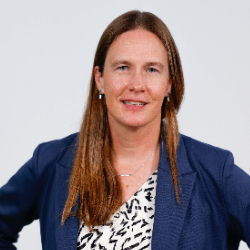 Sarah E. Stabenfeldt, PhD, Assistant Vice President of Research, Knowledge Enterprise; President's Professor, School of Biological & Health Systems Engineering, Arizona State University
Prof
Arizona State UnivDr. Sarah Stabenfeldt is the Assistant Vice President of Research and a President's Professor at Arizona State University; Dr. Stabenfeldt is also a co-Founder of Peptide Binders, LLC. Her current research projects span from nanoparticle delivery after brain injury to neural injury biomarker discovery to neural tissue engineering/regenerative medicine. Dr. Stabenfeldt’s research portfolio includes federal (NIH, NSF, DOD), state of Arizona, and private foundation/clinical sources . Dr. Stabenfeldt has received several prestigious awards including NIH Director’s New Innovator Award, NSF CAREER Award, and Arizona Biomedical Research Centre Early-Stage Investigator Award. Additional honors include the Society for Biomaterials Mid-Career Award, Fellow of American Institute for Medical and Biological Engineering, and Fellow of Biomedical Engineering Society.
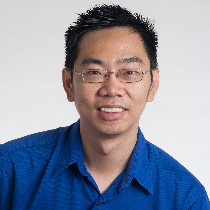 Cheemeng Tan, PhD, Chancellor’s Fellow; Professor, Department of Biomedical Engineering, University of California, Davis
Professor
University of California, DavisDr. Cheemeng Tan is an associate professor in the Department of Biomedical Engineering at the University of California Davis. He received a bachelor’s degree (first-class honors) from the National University of Singapore and an M.S. degree in High-Performance Computing from Singapore-MIT Alliance. In 2010, he obtained a doctorate in Biomedical Engineering from Duke University. He then worked as a Lane Postdoctoral Fellow in the Lane Center for Computational Biology at Carnegie Mellon University. He has received several awards, including the Medtronic Fellowship, the Society-in-Science: Branco Weiss Fellowship, a Young Investigator Grant from the Human Frontier Science Program, the Scialog Fellow, Cellular and Molecular Bioengineering New Innovator, and NIH NIBIB Trailblazer.
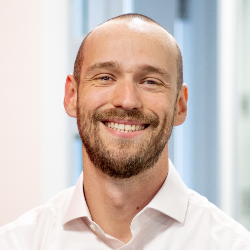 André A. R. Teixeira, PhD, Senior Director, Antibody Platform, Institution for Protein Innovation
Senior Director
Institute for Protein InnovationAndre Teixeira is a pharmacist and biochemist and currently serves as the Senior Director of the Antibody Platform at the Institute for Protein Innovation (IPI) in Boston. He leads an end-to-end, high-throughput discovery engine spanning antigen engineering, yeast display, NGS analytics, antibody expression and developability profiling—delivering 250+ successful campaigns annually. His team builds next-generation synthetic libraries, nanobodies, and biparatopic/bispecific antibodies and shares reagents broadly to accelerate research and therapeutics. Interests include multipass and single-pass membrane targets, receptor clustering biology, bispecifics, biparatopics, antibody, and nanobody engineering.
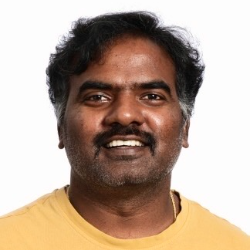 Anil K. Thotakura, PhD, Immuno Oncology Head, R&D, Orion Pharma.
Immuno Oncology Head
Orion CorpI have been working as Head of Immuno oncology at Orion Pharma, Finland since March 2020. I hold a PhD degree in Tumour Immunology from Imperial College London, where I studied mechanism involved in regulating tumour immune function. After completing my PhD I moved to biotech, my first industry job was at Kymab where I worked as a research scientist at Kymab, Cambridge, UK (now owned by Sanofi) I worked as pharmacology lead for several IO drug discovery project, most notably anti-ICOS treg cell depleting antibody. In summer 2019, I joined as Group Leader in Translational Biology at Microbiotica, Cambridge, UK. my team was focused on building novel in vivo models to study role of gut bacteria to enhance cancer immunotherapy response.
 Aleksandr Treyer, PhD, Senior Scientist, Merck & Co.
Senior Scientist
Merck & Co.Dr. Aleksandr Treyer is a senior scientist in Vaccines Analytical R&D at Merck Research Laboratories, where he leads high throughput automation development for end-to-end immunoassay and live-virus assay modalities for subunit, viral vector, and live-attenuated vaccines. His experience with automation spans across several areas, including vaccine potency and excipient testing, clinical diagnostic platforms and infectious disease screening. Prior to joining the biopharma industry, Dr. Treyer conducted post-doctoral and graduate training research at the Albert Einstein College of Medicine in New York, where he worked in the department of Developmental and Molecular Biology and developed microscopy-based applications to study intracellular protein trafficking and secretion in polarized epithelial cells and organoids.
 James A. Van Deventer, PhD, Associate Professor, Chemical and Biological Engineering, Tufts University
Associate Professor
Tufts UniversityDr. Van Deventer completed undergraduate studies at Stanford University, his Ph.D. at the California Institute of Technology, and postdoctoral work at the Massachusetts Institute of Technology. He is currently the Bright Futures Assistant Professor in the Chemical and Biological Engineering at Tufts University. The Van Deventer Laboratory works at the interface of protein engineering, synthetic biology, and chemical biology. Primary interests include engineering yeast to better accommodate alternative genetic codes, and engineering more “druglike†proteins using a combination of yeast display and noncanonical amino acids.
 Susana Vazquez Torres, PhD, Research Scientist, R&D, CNIO - Spanish National Research Centre
Research Scientist
CNIO - Spanish National Research CentreSusana Vázquez Torres, PhD is a computational protein designer working at the intersection of de novo design and venom biology. She trained with Prof. David Baker at the University of Washington's Institute for Protein Design, where she led the development of designed proteins that neutralize lethal snake venom toxins. She is now a postdoctoral fellow at the Spanish National Cancer Research Centre (CNIO) in Madrid, where she uses structural approaches to understand how natural autoinhibitors achieve selective inhibition of snake venom metalloproteinases.
 Anastasia Velentza, PhD, Vice President, Biology, Vilya, Inc.
Vice President,
Vilya, Inc.Anastasia Velentza is currently VP and Head of Biology at Vilya, a biotechnology company founded on computational design of novel macrocycle drugs against difficult targets to address unmet medical need with the purpose to transform patients’ lives. Anastasia is also the Founder and Owner of AVeNew Insights, a Consulting Company providing service and advice across all aspects of Drug Discovery. Previously, she was the Head of Discovery Technology at Plexium, a Targeted Protein Degradation company. Anastasia has more than 20 years in Drug Discovery, with expertise in Discovery Biology and Molecular Pharmacology across multiple therapeutic areas, modalities and targets. Before Plexium, she held positions of increasing responsibility at Novartis, Dart Neuroscience and Ferring Pharmaceuticals.
Anastasia was NIH Research Award scholar in a drug discovery training program at Northwestern University in Chicago, IL. She earned her Bachelor of Science in Chemistry at the University of Patras in Greece, and a Ph.D. from the same institution in Bioorganic Chemistry, funded by a competitive scholarship and EU programs. Anastasia has received awards at national and international conferences for her research, which has been documented in more than 25 publications, patents, and abstracts.
 Gayatri Venkiteswaran, PhD, Principal Scientist, Biologics Discovery, Johnson & Johnson Innovative Medicine
Principal Scientist
Johnson & Johnson Innovative MedicineI am a cell biologist with academic training in Biochemistry, Biotechnology, and Cell Biology. My core industry experience is in molecular analytics and cell line development, supported by a strong foundation in cell and molecular biology. My work focuses on improving protein expression and developing predictive approaches that bridge discovery and development, helping to accelerate biologics programs while reducing development timelines and risk.
 Salvador Ventura, PhD, Full Professor, Biochemistry and Molecular Biology, Autonomous University of Barcelona
Full Professor
Autonomous University of BarcelonaSalvador Ventura, PhD is Professor of Biochemistry and Molecular Biology at the Universitat Autònoma de Barcelona (UAB) and Scientific Director of the Institut d’Investigació i Innovació Parc Taulà (I3PT-CERCA). He leads the Protein Folding and Conformational Diseases Laboratory, where his research explores the molecular mechanisms of protein folding, misfolding, and aggregation, with applications in neurodegeneration, nanomedicine, and biotherapeutic design.
He obtained his PhD in Biology from UAB and pursued postdoctoral research at the European Molecular Biology Laboratory (EMBL, Heidelberg), with subsequent research stays at Harvard Medical School (USA) and Karolinska Institutet (Sweden). Since returning to UAB as a Ramón y Cajal Investigator, he has established a multidisciplinary program combining computational biology, structural biochemistry, cellular and animal models, and translational approaches.
Ventura is internationally recognized for developing widely used computational tools to predict and redesign protein aggregation, such as Aggrescan and Aggrescan3D. He has published more than 300 research articles, authored book chapters, and is co-inventor on 18 patents. His group has contributed to the design of novel protein-based nanostructures with therapeutic potential and has engaged in collaborations with pharmaceutical and biotechnology companies.
He is cofounder of Eureka NanoBioEngineering, a spin-off dedicated to nanobiotechnology solutions, and a member of the Academia Europaea. His contributions have been recognized with several awards, including the Bruker “Manuel Rico†Prize, the NarcÃs Monturiol Medal, and three ICREA Acadèmia distinctions.
 Thomas Von Erlach, PhD, CEO & CSO, Vivtex Corporation
CEO & CSO
Vivtex CorporationThomas has been the Chief Executive Officer of Vivtex since 2026. Previously, Thomas served as the Chief Scientific Officer of Vivtex where he has been leading and building the Vivtex Technology from an initial concept to a platform that created clinical stage drug products. Thomas brings over a decade of leadership in the field of oral drug delivery with strong expertise in pharma co-development partnerships. Previously, he led an interdisciplinary team in the Laboratory of Prof. Robert Langer and Prof. Giovanni Traverso at MIT as a Postdoctoral Research Fellow. He obtained a PhD from Imperial College London in Bioengineering and BSc and MSc in Biochemistry and Biotechnology from ETH in Switzerland where we graduated receiving the Willi-Studer award for academic excellence.
 Curtis Walton, PhD, Director of Automation and Process Optimization, Institute for Protein Innovation
Director of Automation and Process Optimization
Institute for Protein InnovationCurtis Walton, Ph.D. is the Director of Automation and Process Optimization at the Institute for Protein Innovation (IPI). He brings deep expertise in laboratory automation, bioinformatics, and protein engineering, with a strong track record of building scalable workflows that accelerate scientific discovery. Curtis holds a Ph.D. in Chemistry from the University of Ottawa, where he developed novel biocatalysts for pharmaceutical applications. At IPI and in previous roles, he has led multidisciplinary teams and spearheaded the integration of cutting-edge automation platforms, transforming research pipelines through innovative, data-driven approaches.
 John Wang, PhD, CSO, Kali Therapeutics
CSO
Kali TherapeuticsDr. John Wang is the Chief Scientific Officer and Co-Founder of Kali Therapeutics, where he leads early discovery and research focused on developing next-generation immune therapies for serious diseases. Prior to co-founding Kali, Dr. Wang built a career in academia and the biotechnology industry developing immunotherapies for oncology, contributing to multiple therapeutic programs that advanced into clinical development. In early 2026, KT501, a trispecific antibody developed using Kali's proprietary T cell engager (TCE) platform, was licensed to Sanofi, marking a major milestone for the company and validating its innovative technology.
 Andrew Watkins, PhD, Senior DIrector, Structure and Simulation, AI for Drug Discovery, Genentech
Senior DIrector
GenentechAndy joined the founding team of Prescient Design following a postdoc in computational structure prediction and design of RNA at Stanford; a few months later, upon acquisition by Genentech, he began building a team of scientists, combining backgrounds in life and physical sciences with backgrounds in machine learning, to conduct the first iterations of the lab-in-the-loop collaboration with the antibody engineering department. Since then, that scope has expanded to cover Genentech's full portfolio of therapeutic modalities.
 Alon Wellner, Vice President, Biology, Co-Founder, Aureka Biotechnologies
VP of Biology
Aureka BiotechnologiesAlon is the co-founder of Aureka Biotechnologies, where he currently holds the position of Vice President of Biology. With over five years of experience as a senior postdoctoral scholar at UC Irvine, he specialized in developing advanced systems for accelerated antibody engineering. Alon's work involved integrating yeast surface display with orthogonal replication techniques. He obtained his PhD from the prestigious Weizmann Institute of Science in Israel, under the guidance of the late Dan Tawfik.
 Beth Wensley, PhD, Principal Scientist, Biologics Discovery & Development, LifeArc
Principal Scientist
LifeArcBeth Wensley leads the Protein and Analytical Sciences group at LifeArc, a not for profit transforming the lives of people with rare diseases and drug-resistant infections. Protein and Analytical Sciences produce and characterise target proteins and antibodies, playing a central role in moving small molecule, PROTAC and antibody discovery projects toward the clinic. Prior to LifeArc, Beth was Associate Director at Agenus, where she led protein science activities supporting the development of novel multispecific antibody formats for immuno oncology. She began her industry career as a postdoctoral fellow at MedImmune, studying how affinity maturation influences the biophysical properties of antibody–antigen interactions.
 David W. Wood, PhD, Professor, Chemical & Biomolecular Engineering, Ohio State University
Professor
Ohio State UniversityDavid Wood is currently a professor of Chemical and Biomolecular Engineering at The Ohio State University, where he continues to work on self-cleaving tag technologies for research and biopharmaceutical applications. He holds an undergraduate degree from Caltech with a double major in biology and chemical engineering, as well as a PhD from Rensselaer Polytechnic Institute in Chemical Engineering, and has experience in downstream processing and proess development at Amgen and Bristol Myers Squibb. He has published over 50 papers, book chapters and reviews in protein engineering, and holds several patents on technologies developed in his lab. Most recently, he is a co-founder of Protein Capture Science; a company formed to commercialize his split-intein technology for protein purification.
 Alec Woosley, PhD, Associate Director, Protein Sciences and Analytics, Biologics Engineering, AstraZeneca
Associate Director, Protein Sciences and Analytics
AstraZenecaAlec currently contributes technical expertise in protein engineering and molecular biology towards pipeline initiatives / technology development efforts targeting complex membrane proteins of interest in oncology at AstraZeneca. Alec is also a program leader within AZ early oncology and tumor-targeted delivery (TTD).
 Kejia Wu, PhD, Translational Investigator, Institute for Protein Design, University of Washington
Postdoctoral Scholar
University of WashingtonKejia Wu, PhD, is a protein designer/computational method developer at the Institute for Protein Design, University of Washington. She develops general methods with de novo proteins to target intrinsically disordered regions, post-translational modifications, and disease-relevant proteolysis. Her work focuses on novel computational frameworks to create tight, specific binders and designer proteases for oncology and neurodegeneration, turning fundamental protein design advances into translational therapeutic and diagnostic strategies.
 Xue (Snow) Yang, PhD, Senior Scientist, Biotherapeutics, Boehringer Ingelheim
Senior Research Scientist
Boehringer IngelheimXue Yang is a senior scientist in the Cell and Protein Science group of AbbVie Bioresearch Center. She obtained her Ph.D. from Rutgers University, Department of Chemistry & Chemical Biology under the guidance of Dr. Jean Baum to investigate the mechanism of amyloid formation in a-synuclein and interactions that inhibit amyloid aggregates formation. Her current research interests are in-depth characterization of oligomers and fibrils (including amyloid beta, Tau, a-synuclein and TDP-43) and understanding the correlation between fibril biophysical properties and biological behaviors (seeding and propagation).
 Chul-Su Yang, PhD, Professor, Molecular Medicine, Hanyang University; CEO and Founder, BioPeptics Inc
Prof
Hanyang UnivChul-Su Yang, PhD, is Professor of Dept. of Molecular Medicine at Hanyang University ERICA, South Korea, and Vice Dean of the College of Advanced Convergence. He is also Director of the Hanyang Institute for Precision Therapeutics and CEO/founder of BioPeptics Inc. His research focuses on host–pathogen interactions, innate immunity, inflammasome signaling, peptide therapeutics, and precision immunotherapy. His laboratory develops pathogen-inspired therapeutic platforms by integrating peptide engineering, drug discovery, and immune modulation to treat inflammatory diseases, antimicrobial resistance, and cancer. Dr. Yang has published extensively in leading international journals, holds multiple patents in peptide-based therapeutics, and has extensive experience leading nationally funded translational research programs. His current work explores macrophage-targeted peptide therapeutics and microbiome-directed immunotherapy for colorectal cancer and other immune-mediated diseases.
 Daniel Yoo, Scientific Associate Director, Large Molecule Discovery, Amgen, Inc.
Associate Director, Protein Therapeutics
Amgen IncDaniel Yoo is a Scientific Associate Director in Amgen's Large Molecule Discovery group, where he leads teams that develop promising protein therapeutic candidates and design innovative automation solutions. His areas of expertise include protein purification and analytics, high-throughput automation and informatics, and protein folding & modifications. Daniel Yoo received his Bachelor’s degree in Biology at the University of Rochester in 2003.
 Matthew D. Youngblut, PhD, CSO, Flock Bio, Inc.
Chief Scientific Officer
Flock Bio, Inc.Matthew Youngblut, Ph.D., is co-founder and Chief Scientific Officer of Flock Bio, a custom DNA library company that helps researchers build higher-quality inputs for protein engineering, genetic medicines, synthetic biology, and crop science. At Flock Bio, he leads development of pooled library workflows that integrate library design, cloning strategy, barcoding, NGS quality control, and bioinformatics to help teams move from computational designs to assay-ready experimental systems faster than ever. Before founding Flock Bio, Matthew held scientific and leadership roles at Ginkgo Bioworks, Twist Bioscience, Roche, and multiple startups, where he worked across DNA synthesis, molecular biology, and high-throughput biological engineering. His work focuses on making complex DNA libraries faster, more reliable, and more accessible, while helping researchers avoid the hidden experimental pitfalls that often limit predictive protein production and downstream model building.
 Jennifer Zhang, PhD, Principal Scientist and Site Lead, Discovery Analytical Research, Merck
Principal Scientist
MerckJennifer Zhang is a Principal Scientist and biopharmaceutical leader with 20 years of experience in biologics discovery and CMC development. She currently serves as Discovery Analytical Research Site Technical Lead at Merck, where she leads cross-functional teams supporting drug candidate evaluation, analytical strategy, and the transition of biologics and advanced modalities into development. Her expertise spans analytical method development, product and process characterization, control strategy, method validation, and regulatory submissions, including BLA authoring.
Before joining Merck, Jennifer spent nearly two decades at Genentech in technical development and analytical leadership roles, where she led late-stage analytical programs, supported multiple BLA filings, and advanced novel mass spectrometry technologies such as HDX-MS and multi-attribute methods (MAM). She has authored more than 38 publications and has been recognized as an invited speaker and scientific leader in the field of therapeutic protein characterization.
 Zhichao Zhang, PhD, Research Scientist, Eli Lilly and Company
Advisor
Eli Lilly and CompnayZhichao is an Advisor in Bioproduct Research and Development at Eli Lilly. He works on control strategy and method development for peptides and oligonucleotides. He has supported molecules from first-in-human studies through Phase 3.
 Liming Zhang, Professor, Chemistry and Biochemistry, University of California, Santa Barbara
Professor
University of California, Santa BarbaraDr. Liming Zhang is a Professor in the Department of Chemistry and Biochemistry at the University of California, Santa Barbara (UCSB), a position he has held since 2013. His educational background includes a B.S. in Organic Chemistry from Nanchang University and an M.S. from Nankai University in the PRC, followed by an M.S. from the University of Alabama and a Ph.D. in Medicinal and Organic Chemistry from the University of Michigan, which he completed in 2003. Following a postdoctoral fellowship at the University of Chicago, Dr. Zhang initiated his independent faculty career as an Assistant Professor at the University of Nevada, Reno in 2005, before transitioning to UCSB in 2009. A distinguished researcher extensively published in the field of homogeneous gold catalysis, his notable professional accolades include the 2008 Amgen Young Investigators Award, a 2008 NSF CAREER Award, and being recognized as a Highly Cited Researcher by Thomson Reuters in 2014.
 Roushu Zhang, PhD, Senior Scientist, AstraZeneca
Sr Scientist
AstraZenecaRoushu Zhang is a Senior Scientist at AstraZeneca, where she specializes in high-throughput protein production and analytical characterization to support early biologics discovery. Her work focuses on developing fit-for-purpose process solutions that help streamline lead identification workflows. Prior to AstraZeneca, she led a team at the Institute for Protein Innovation supporting biologic production, quality assessment, and automation solutions for the Antibody Platform.
 Fengli Zhang, PhD, Senior Scientist II, Protein Production, AbbVie
Senior Scientist II
AbbVieFengli Zhang got bachelor’s degree in Pharmaceutical Engineering from East China University of Science and Technology, and master’s degree in pharmacy from Shanghai Jiao Tong University. She then joined Dr. Shang-Tian Yang’s lab in The Ohio State University, and focused on high throughput drug screening using integrated stem cell and machine learning models. After She got her Ph.D., she worked at Takeda Pharmaceuticals and led the high throughput assay platform development for cell therapy discovery. She then joined Merck as a senior scientist in Discovery Biologics to design high throughput protein production and integrated characterization. Currently she is a Senior Scientist II at AbbVie, leading the automation platform development to accelerate high throughput protein production and characterization.
 Peng Zhao, PhD, Senior Scientist, Antibody Discovery & Engineering, AstraZeneca
Senior Scientist
AstraZenecaDr. Zhao is a Senior Scientist from Protein Engineering and Novel Modalities team within the Biologics Engineering (BE) department at AstraZeneca (Gaithersburg site). He leads projects focused on multi-specific therapeutic antibodies across various therapeutic areas, including oncology and immunology. Prior to joining AstraZeneca in August 2022, Dr. Zhao conducted postdoctoral research at the University of Texas Health Science Center in Houston. There, he spearheaded projects focused on developing antibody therapeutics for Alzheimer's disease. He earned his Ph.D. in Pharmaceuticals and Pharmaceutical Chemistry from the University of Utah.
 Xin Zhou, PhD, Assistant Professor, Biological Chemistry & Molecular Pharmacology, Dana-Farber Cancer Institute, Harvard Medical School
Assistant Professor
Harvard Medical SchoolXin Zhou is an Assistant Professor of Biological Chemistry & Molecular Pharmacology, Harvard Medical School, and Cancer Biology, Dana-Farber Cancer Institute. She obtained her PhD in Bioengineering with Dr. Michael Lin from Stanford University and did her postdoctoral training with Dr. Jim Wells at UCSF. Dr. Zhou’s research focuses on engineering functional protein sensors and switches for modulating biology. In the past, she has built proteins with versatile functions, including light-activated enzymes, phosphotyrosine recognition domains, antibody antagonists and agonists, and biosensors to measure SARS-CoV-2 antibodies. Her work was recognized by many awards including an NIH Pathway to Independence Award and a Damon Runyon-Dale F. Frey Award for Breakthrough Scientists. Dr. Zhou’s new research group aims to leverage the power of protein engineering to gain a deeper fundamental understanding of malignancies and to discover new avenues for therapeutic intervention.
 Lijuan Zhou, Scientist 4, EDB, Genentech Inc.
Scientist 4
Genentech Inc
 Rui Zhu, PhD, MBA, Principal Research Scientist I, Protein Sciences, Biotherapeutics & Genetic Medicine, AbbVie Inc.
Principal Research Scientist I, Protein Sciences
AbbVie IncRui Zhu, Ph.D., MBA, is a Principal Research Scientist in AbbVie’s Biological Research Center with more than seven years of biopharmaceutical research and development experience. His expertise spans biotherapeutic characterization, mass spectrometry, and analytical method development, with a strong focus on monoclonal antibodies, multispecifics, antibody-drug conjugates, and novel modalities. Rui has led cross-functional teams, developed high-throughput LC-MS methods and automated data analysis tools, and contributed extensively to biomarker discovery, protein chemistry, and developability assessment.